Stories / A world to read
Travel stories from the road and the people on it
Long reads about the people who keep a place going and the places that keep pulling travellers back: rewilded marshes, cave towns, pilgrim roads and island harbours.
Find a story by place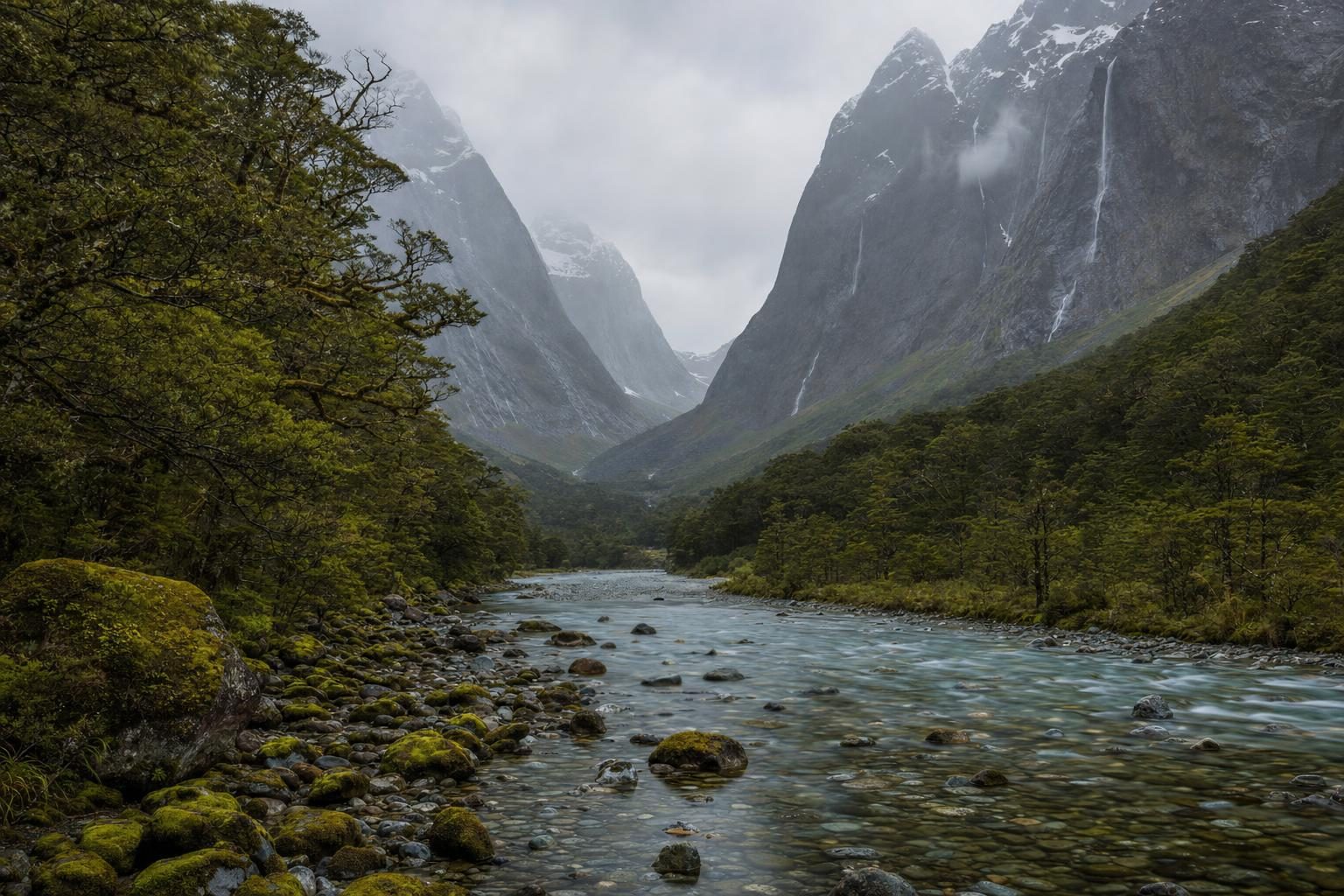
The Magnetism of Fiordland: The Hollyford Valley to Martins Bay
Read the storyAsia & the Middle East
Cappadocia Travel Guide: Things to Do and Days With the Locals
Fairy chimneys, cave houses and a sky full of balloons draw the crowds to central Anatolia. The region makes more sense on foot, at a village table and below ground.
Read the story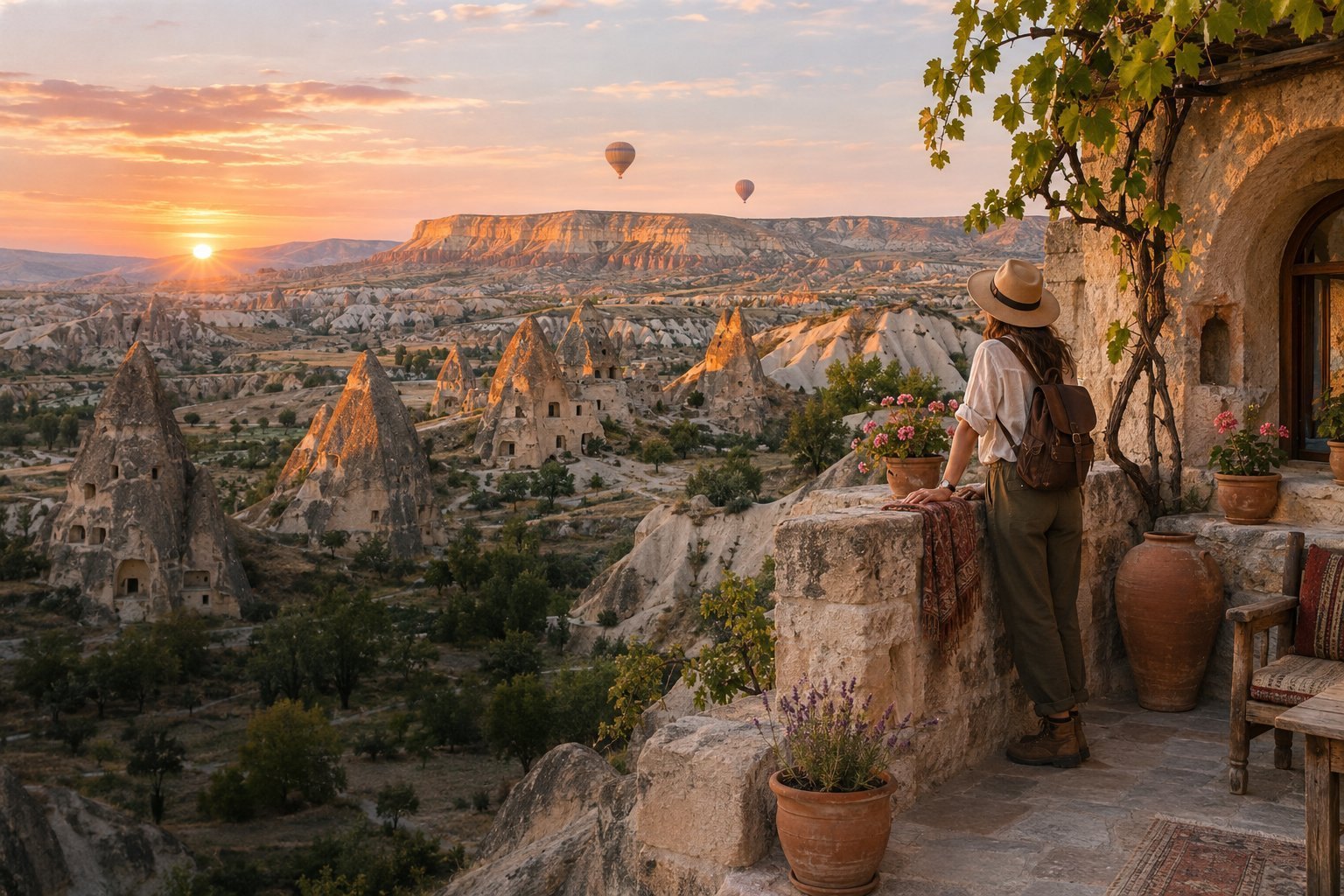
Myanmar's Chin State: Hill Villages, Face Tattoos and a Region at War
Ridges of bamboo and pine run north to south along Myanmar's border with India and Bangladesh. For a few years after 2015 a handful of travellers reached the Chin Hills; since the 2021 coup the state has been a war zone.
Read the story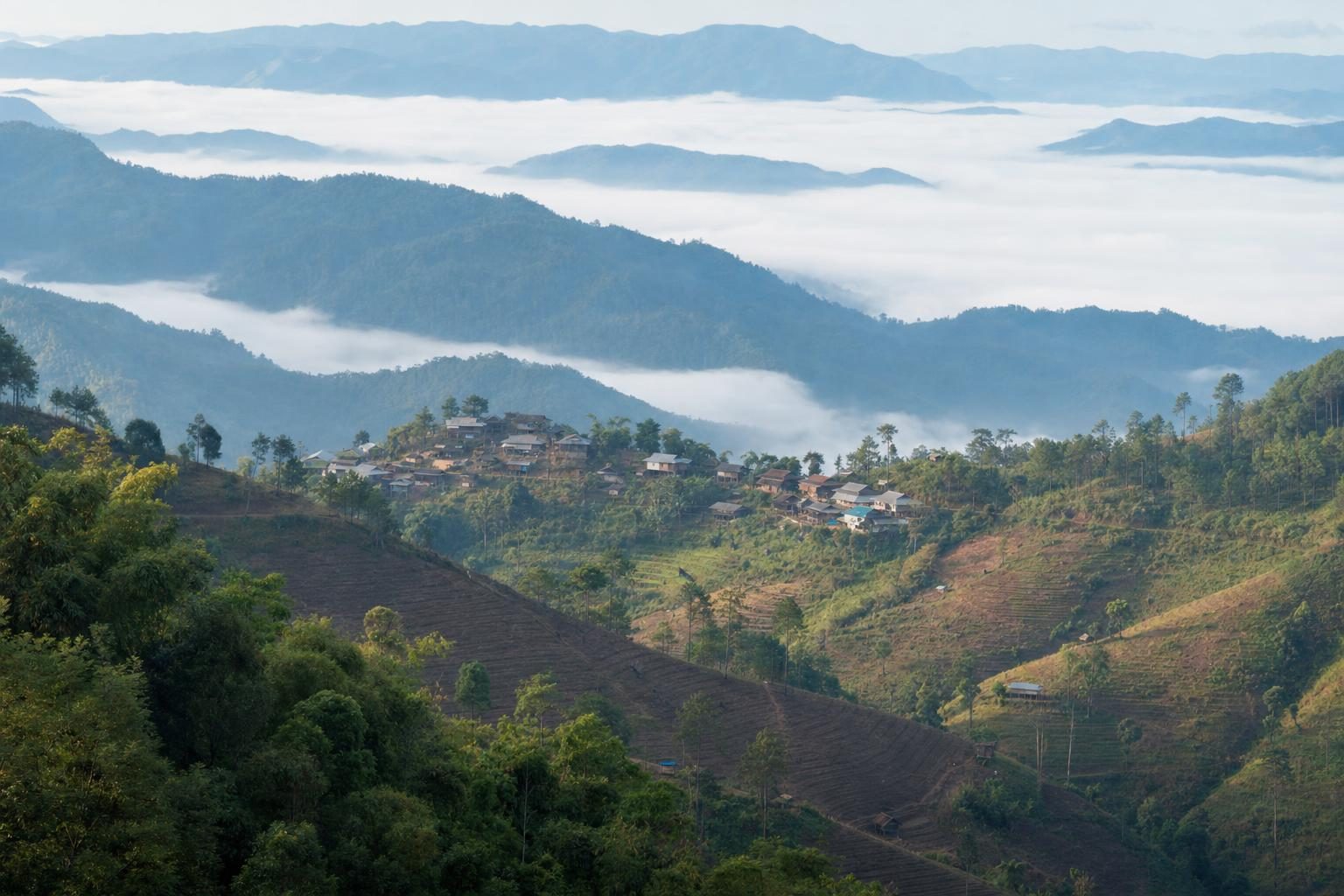
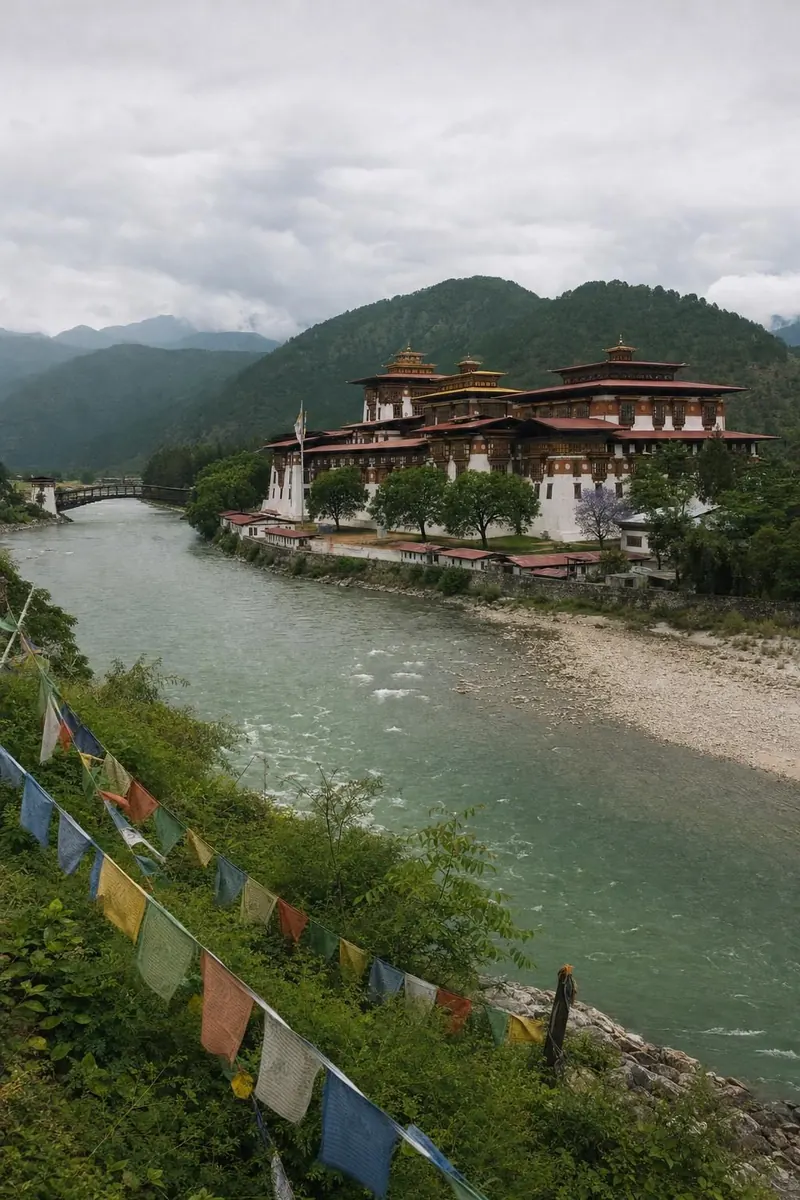
Bhutan's Himalayan Harmony, from Paro to Punakha and Tiger's Nest
The approach to Paro runs so close to the valley walls that passengers can see washing on the farmhouse lines. From there a single road links the old fortresses of western Bhutan, the capital and the warm valley of Punakha.
Read the story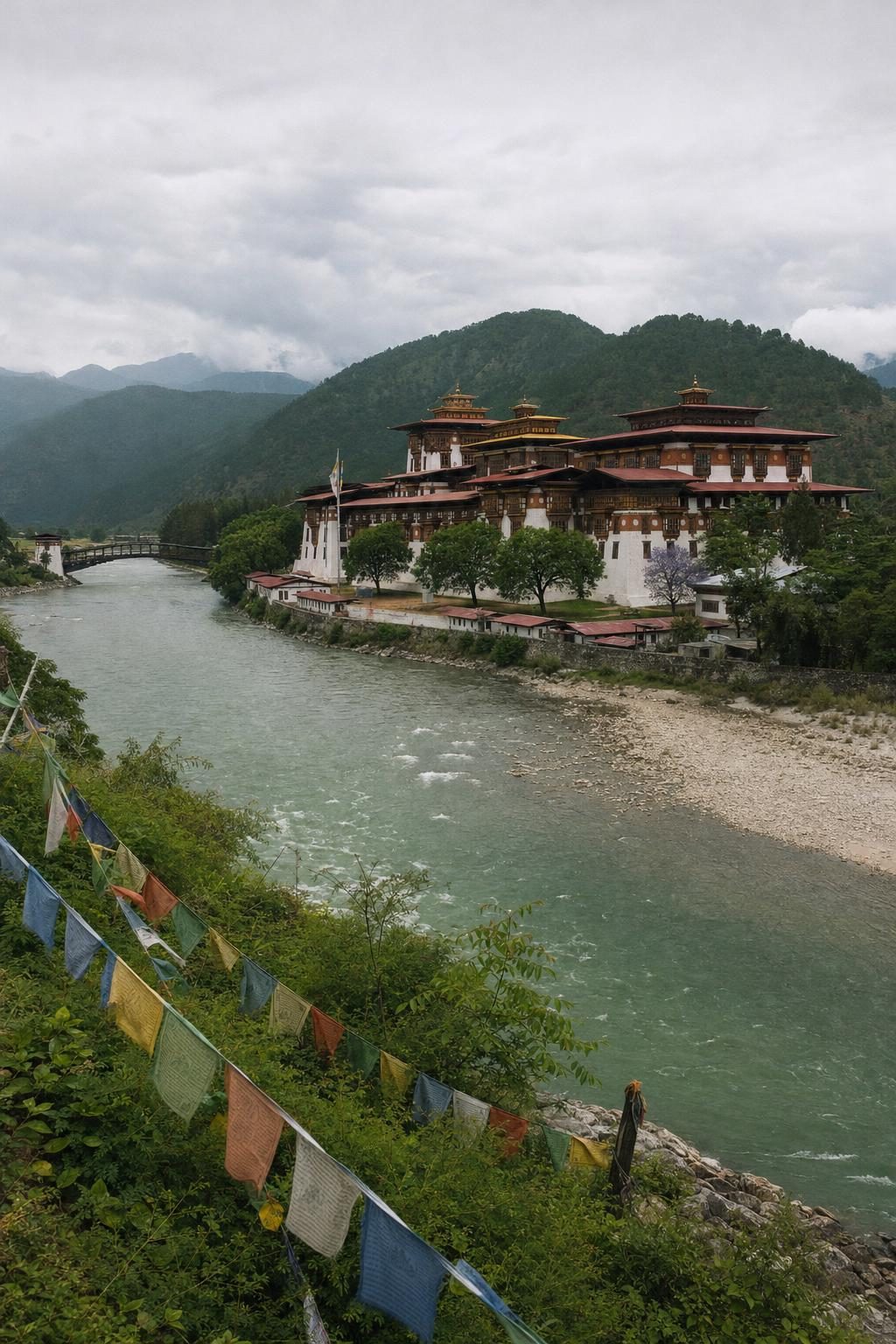
Gardens by the Bay and the Making of Singapore's City in a Garden
At a quarter to eight each evening, eighteen steel trees on the edge of Marina Bay light up to music. Behind the show sits a long national argument about what a crowded island owes to plants.
Read the story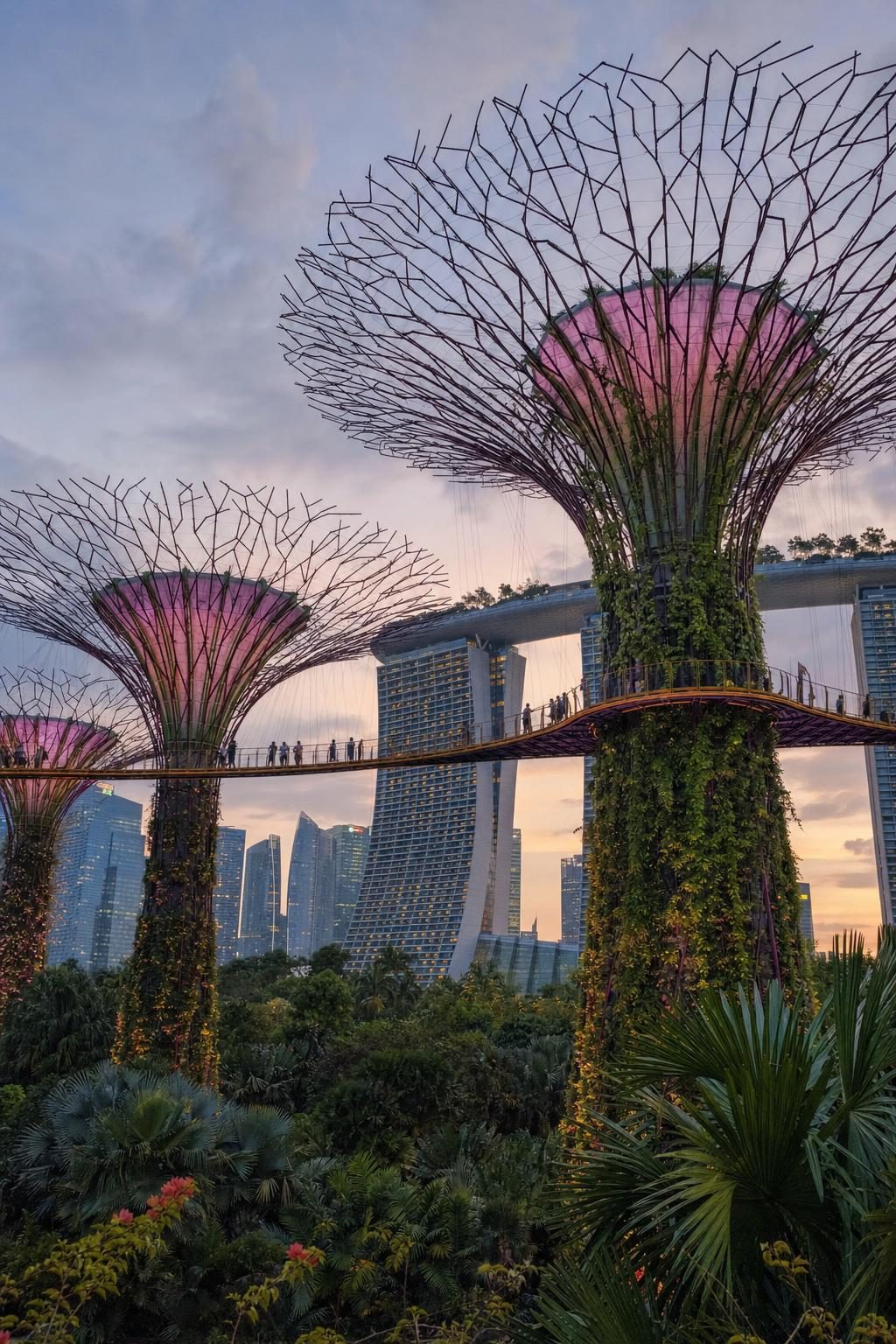
Arunachal Pradesh: Over the Sela Pass to Tawang and the Monpa Valleys
The road from the plains of Assam climbs for two days to Tawang, through army camps, monastery towns and a pass above 4,000 metres. Along the way, every bend seems to come with a story that nobody can quite prove.
Read the story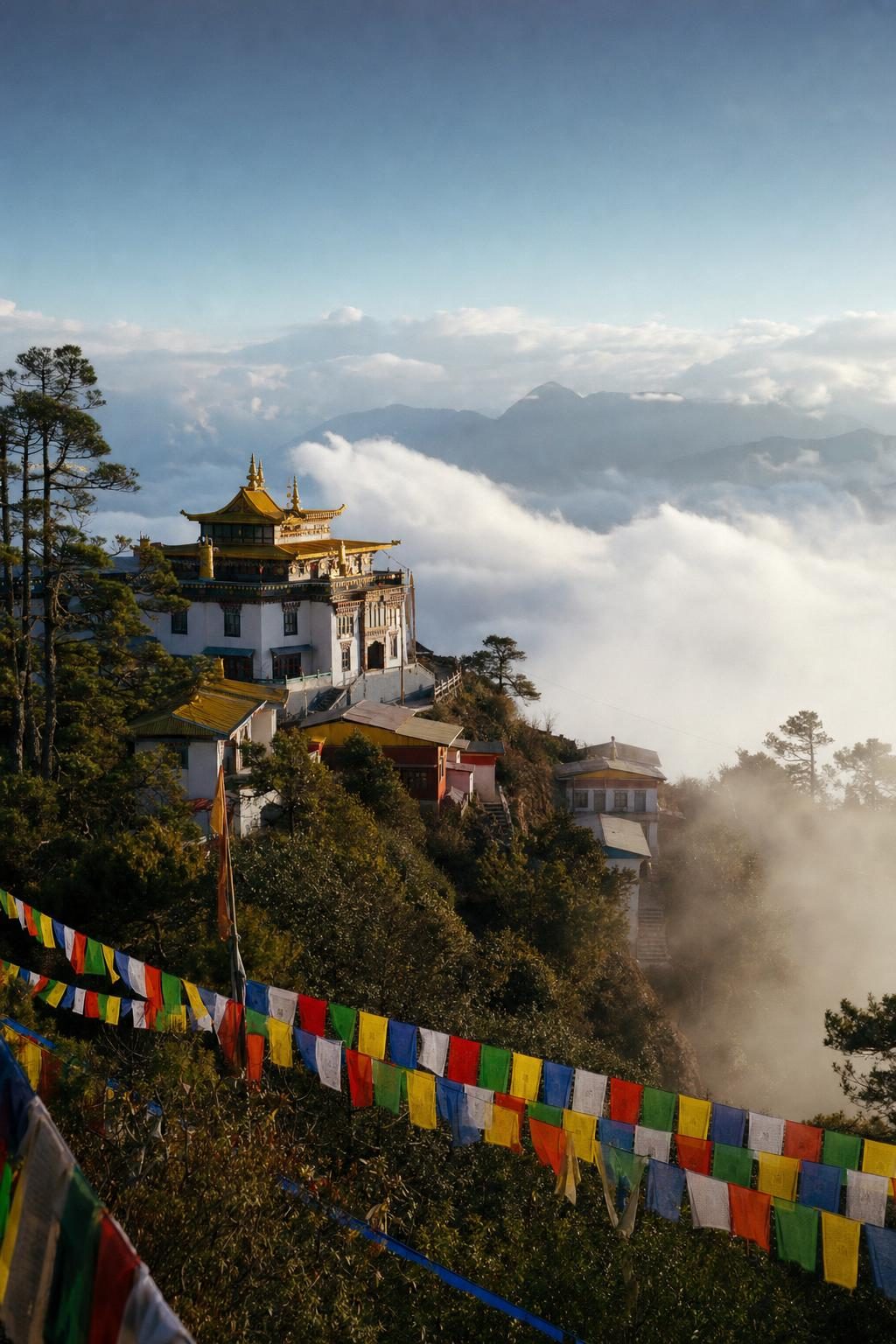
The Americas
Iberá Wetlands in Argentina: A Wildlife Story of Hope and Return
A rain-fed marsh in northern Argentina lost its jaguars, anteaters and otters to hunting and cattle. Over two decades, the animals have been brought back one species at a time.
Read the story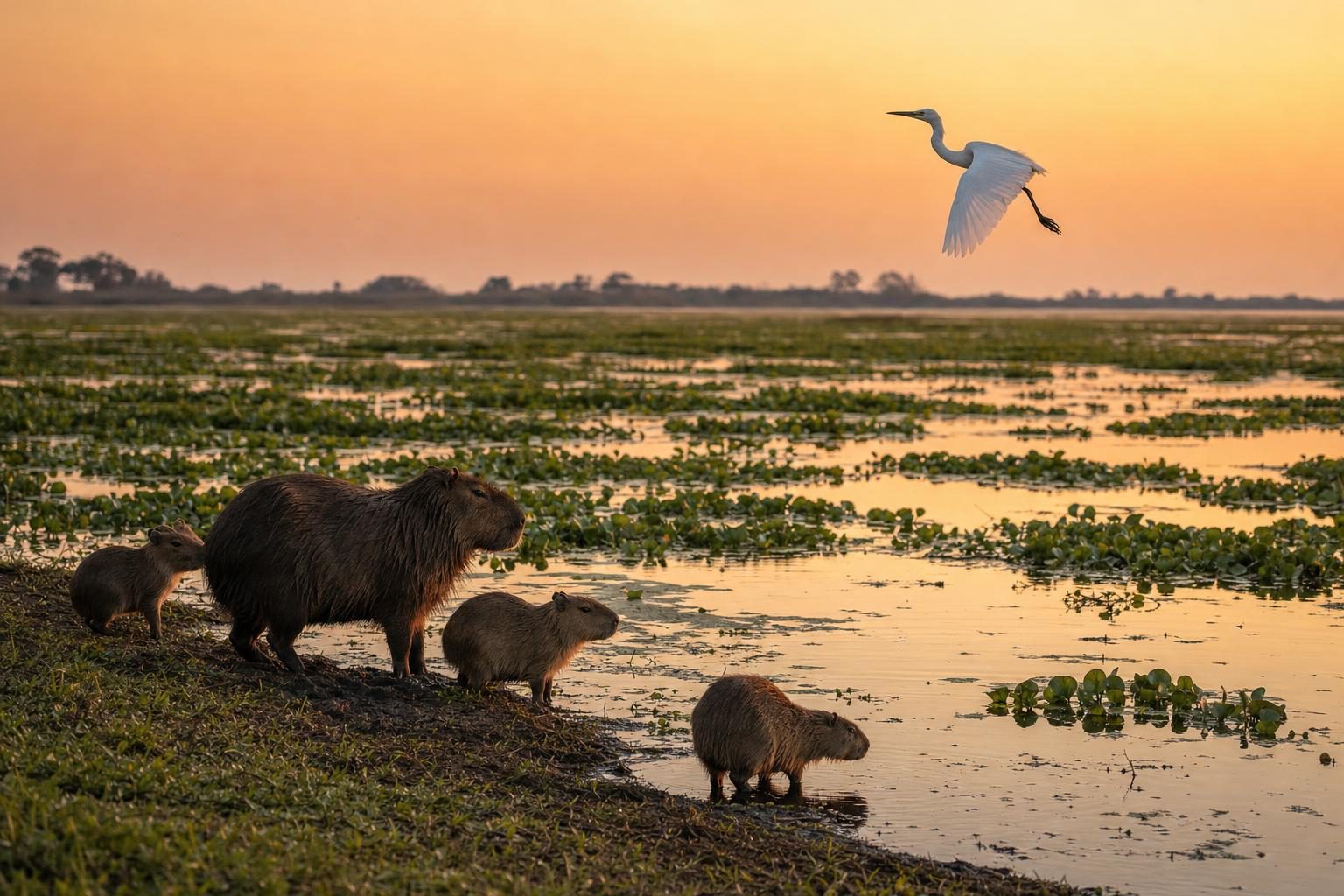
A Snapshot of Bar Harbor, Maine, and Acadia National Park
Bar Harbor is the town most visitors see first on Mount Desert Island, and often the only one. A single day ashore is enough for its shoreline, its tidal sandbar and the best-known stops in Acadia National Park.
Read the story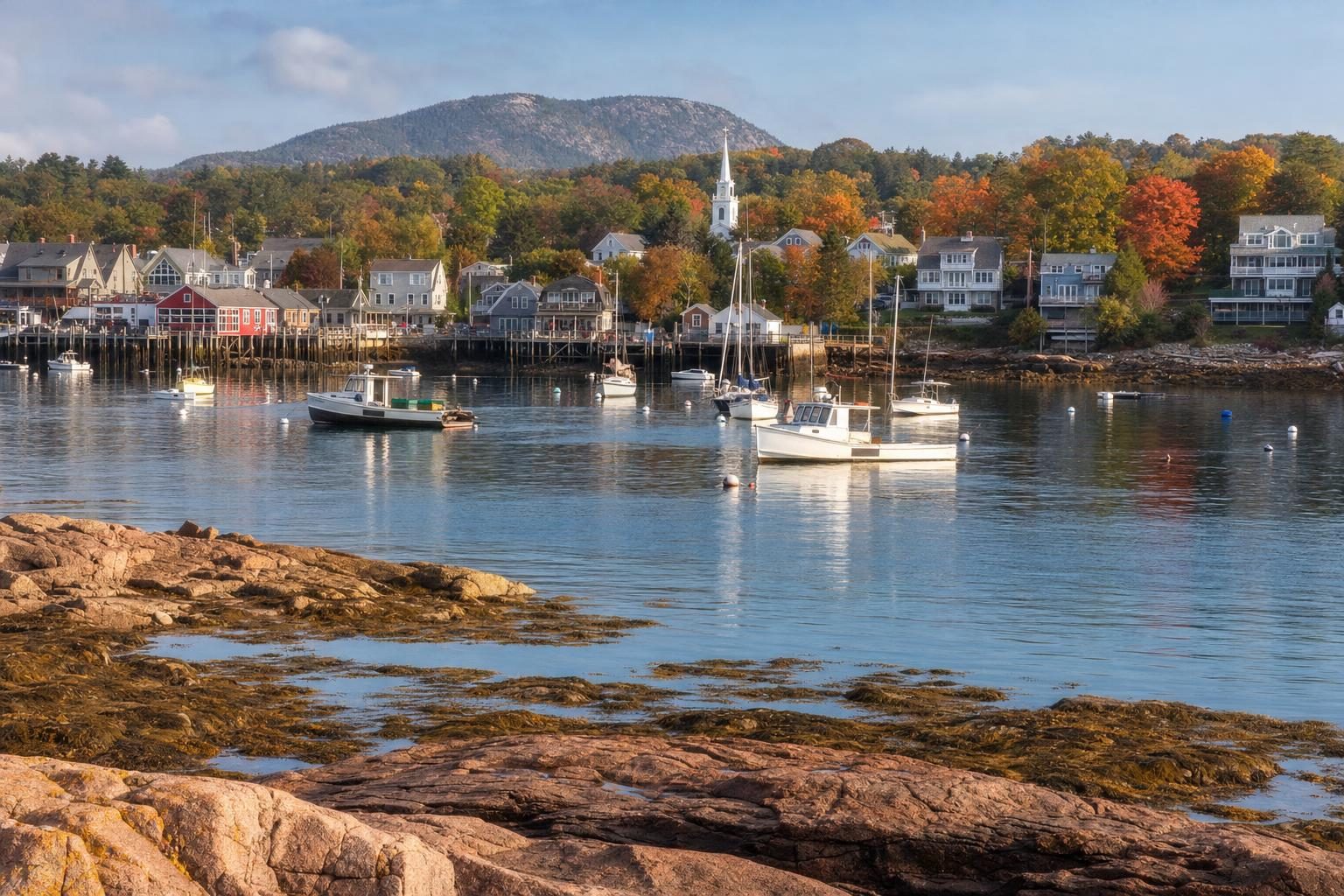
Kings of the Road: Driving Route 66 from Chicago to Santa Monica
The old highway from Chicago to the Pacific was decommissioned decades ago, yet most of it can still be driven. What survives is a chain of diners, motels, giants and ghost towns strung across eight states.
Read the story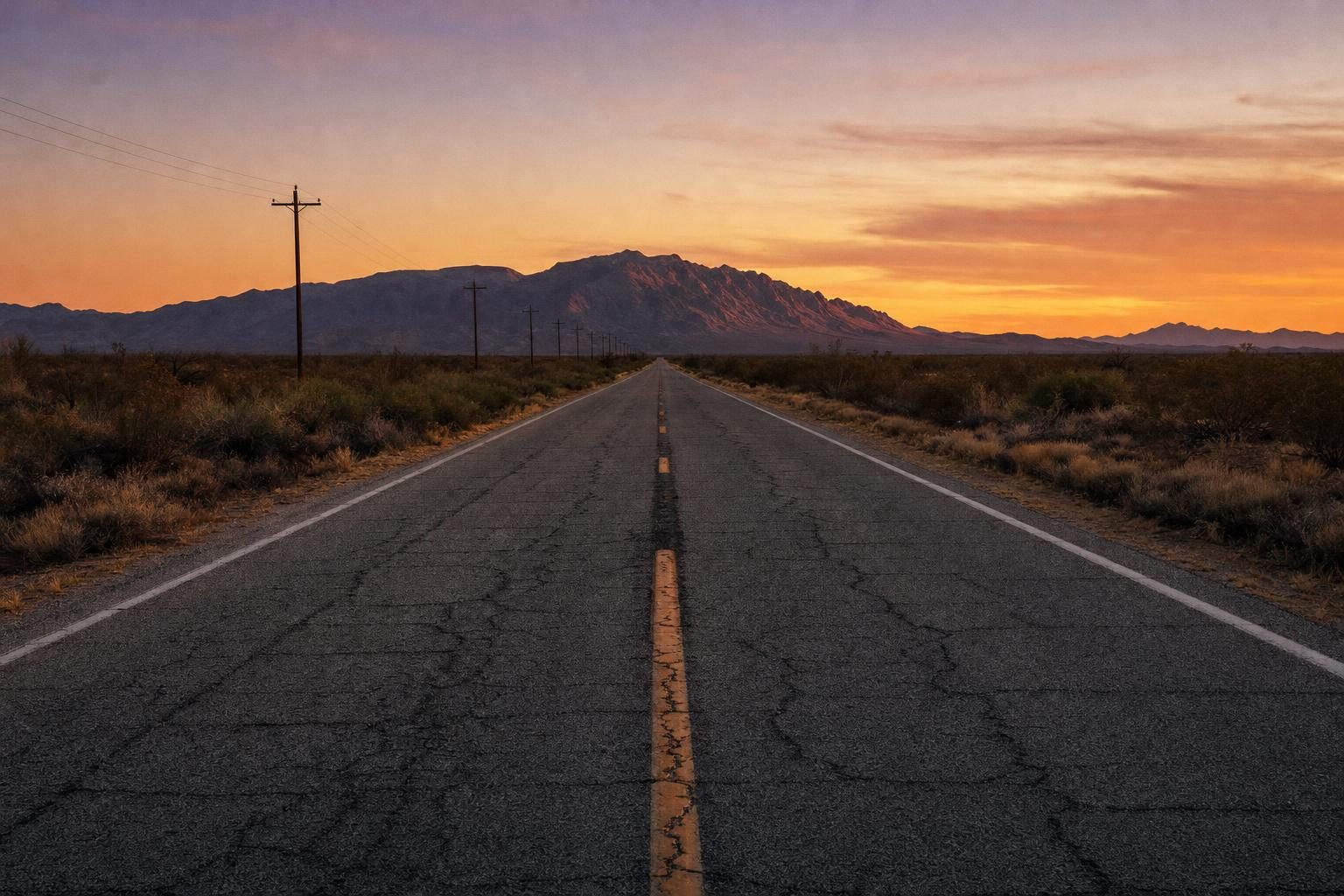
Chris McCandless: The Stampede Trail, Bus 142 and the Teklanika River
A green and white bus sat in the Alaskan bush for almost sixty years. One young man's death inside it drew a stream of visitors that ended only when the state lifted it out by helicopter.
Read the story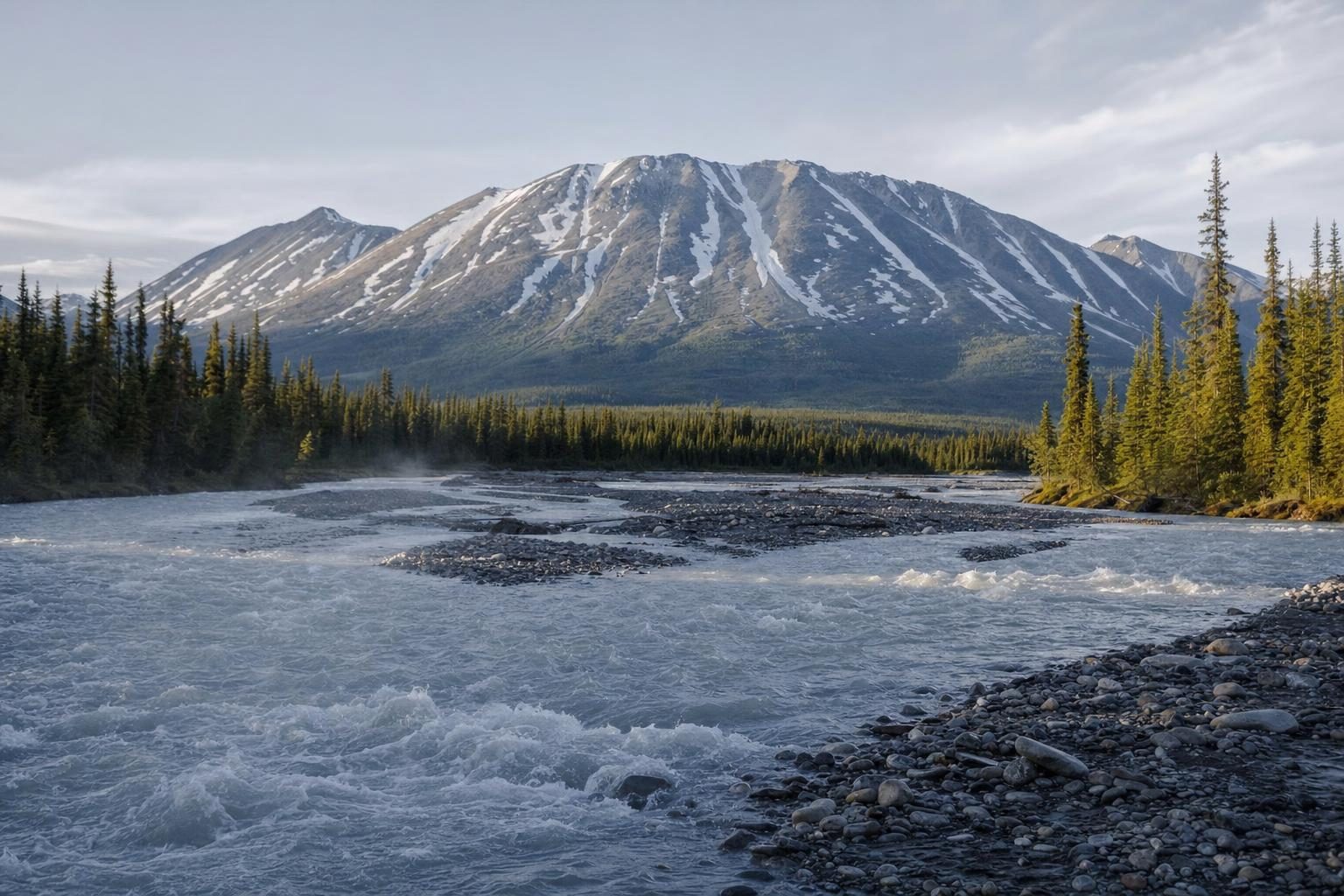
The Wild Truth: Carine McCandless on the Family Behind Into the Wild
For two decades the story of Chris McCandless was told without its first chapter. His sister's memoir supplied it, and changed how many readers see the bus in the Alaskan bush.
Read the story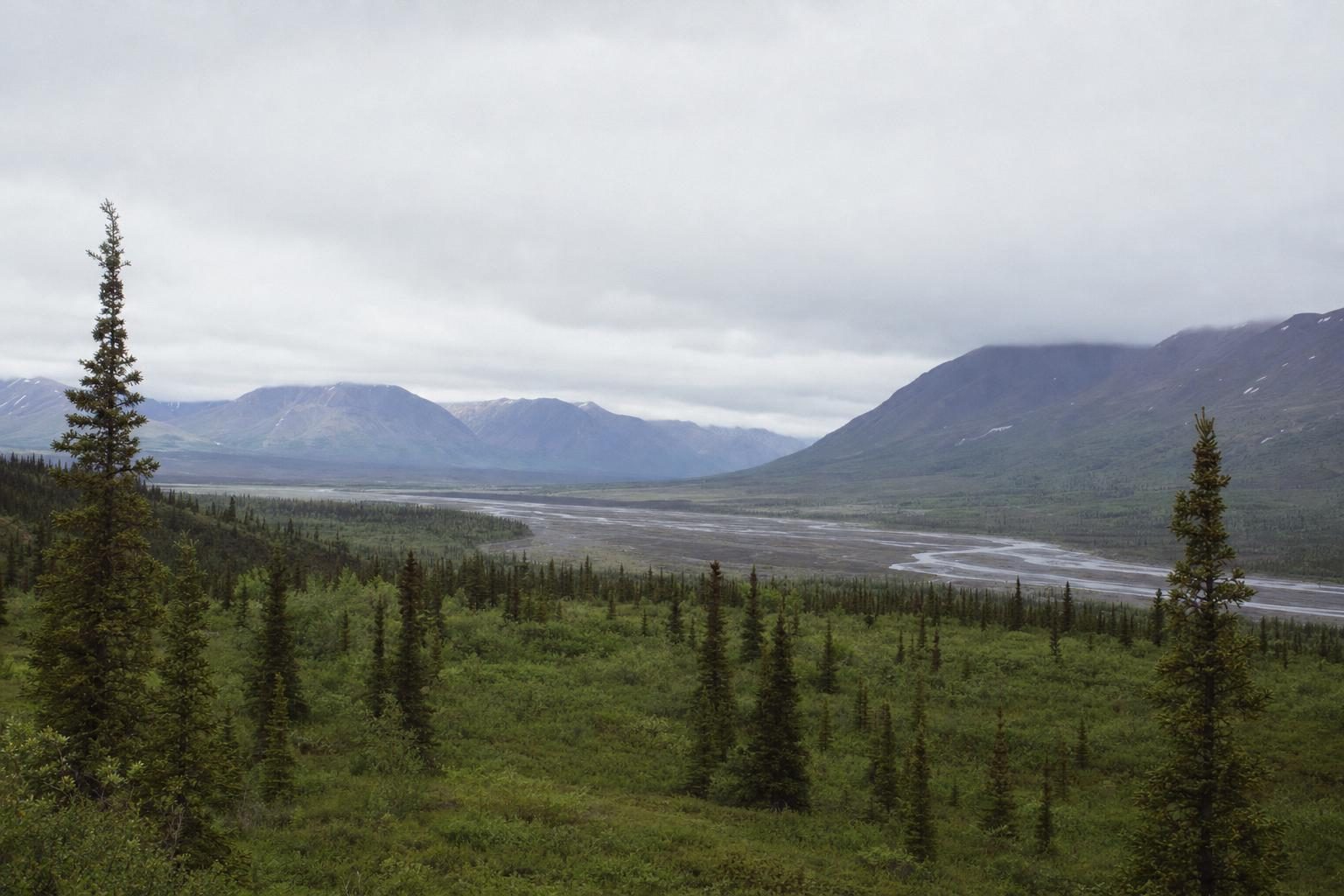
Beyond Cancún: Isla Holbox and the Flamingos of Río Lagartos
Two hours west of the Cancún hotel strip, the Yucatán's north coast turns to mangrove, sandbar and lagoon. A car-free island and a fishing town make an easy loop for anyone with three or four days.
Read the story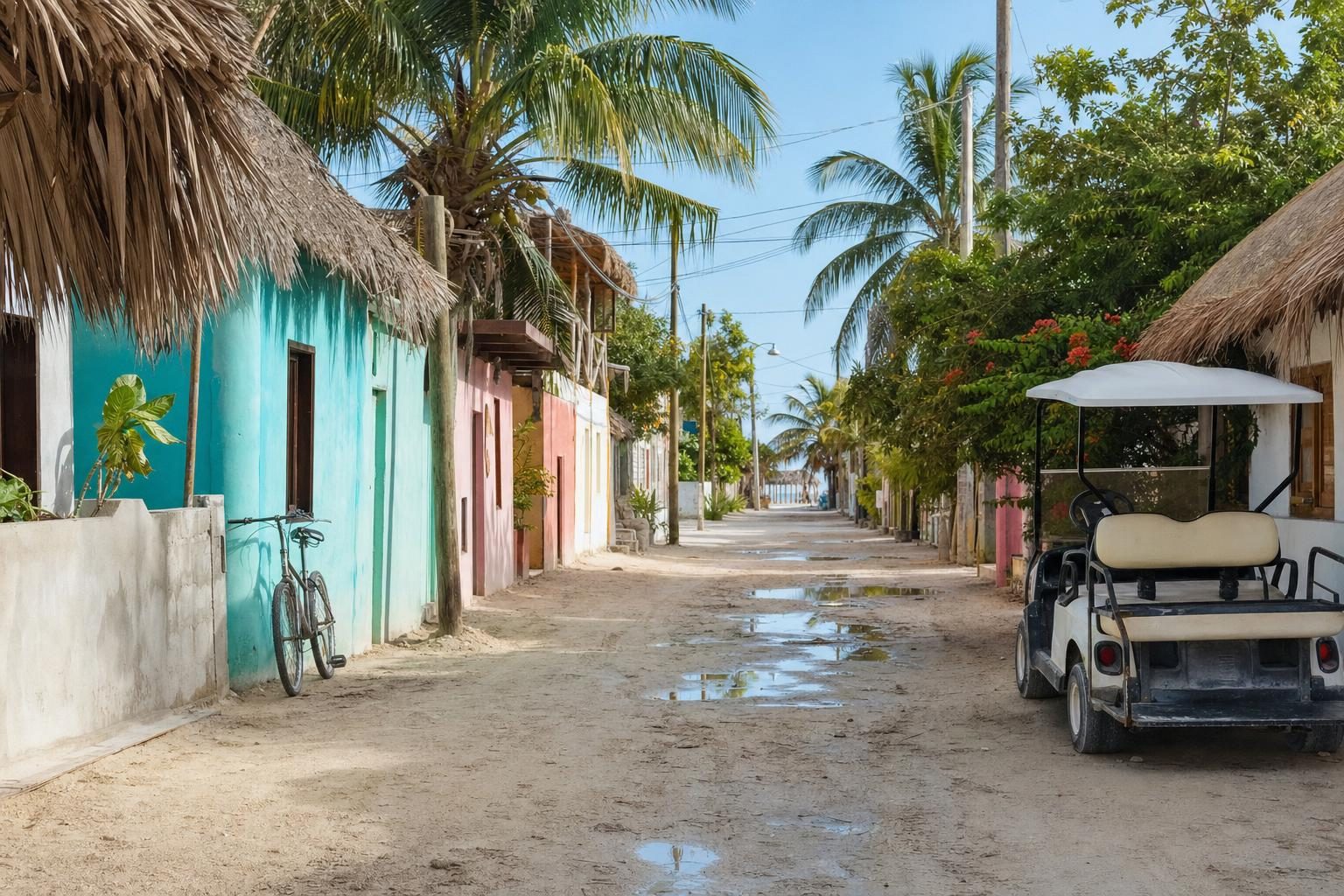
Finca Bellavista: A Tree House Community in Costa Rica's Rainforest
Three kilometres of steep dirt track above the Pan-American Highway, a community of houses on stilts and in trees has grown out of a patch of forest once marketed for logging.
Read the story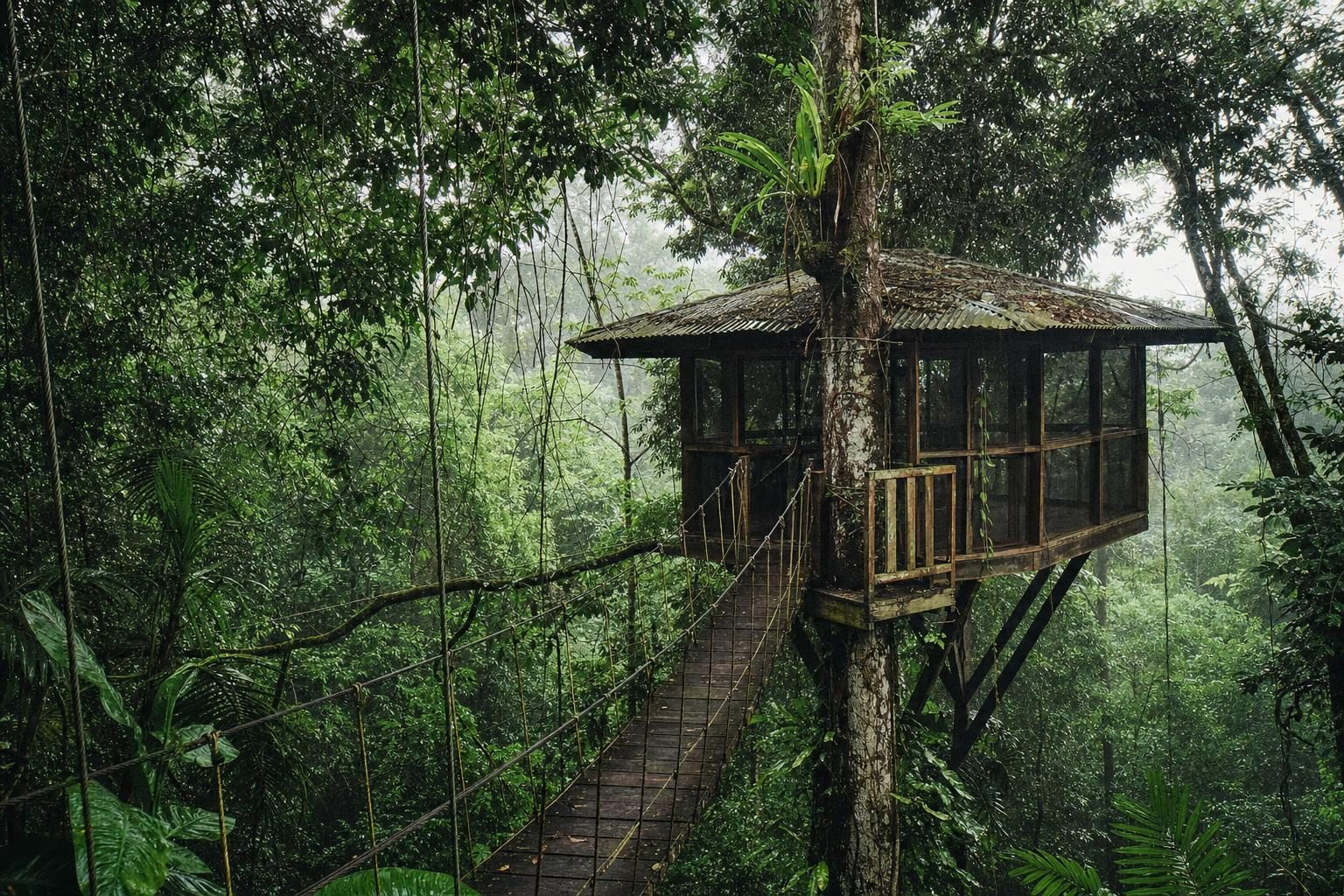
Mateo Hogan: How a Colorado Roofer Built Finca Bellavista
Two people from a Colorado ski town went looking for somewhere warm to spend the mud season. They ended up writing the rulebook for a community in the rainforest canopy.
Read the story
Living Afloat: The Sausalito Houseboats of San Francisco Bay
Across the Golden Gate from San Francisco, a few hundred homes float on the edge of Richardson Bay. Their story runs from a wartime shipyard through squatters, artists and court battles to one of the most unusual neighbourhoods in California.
Read the story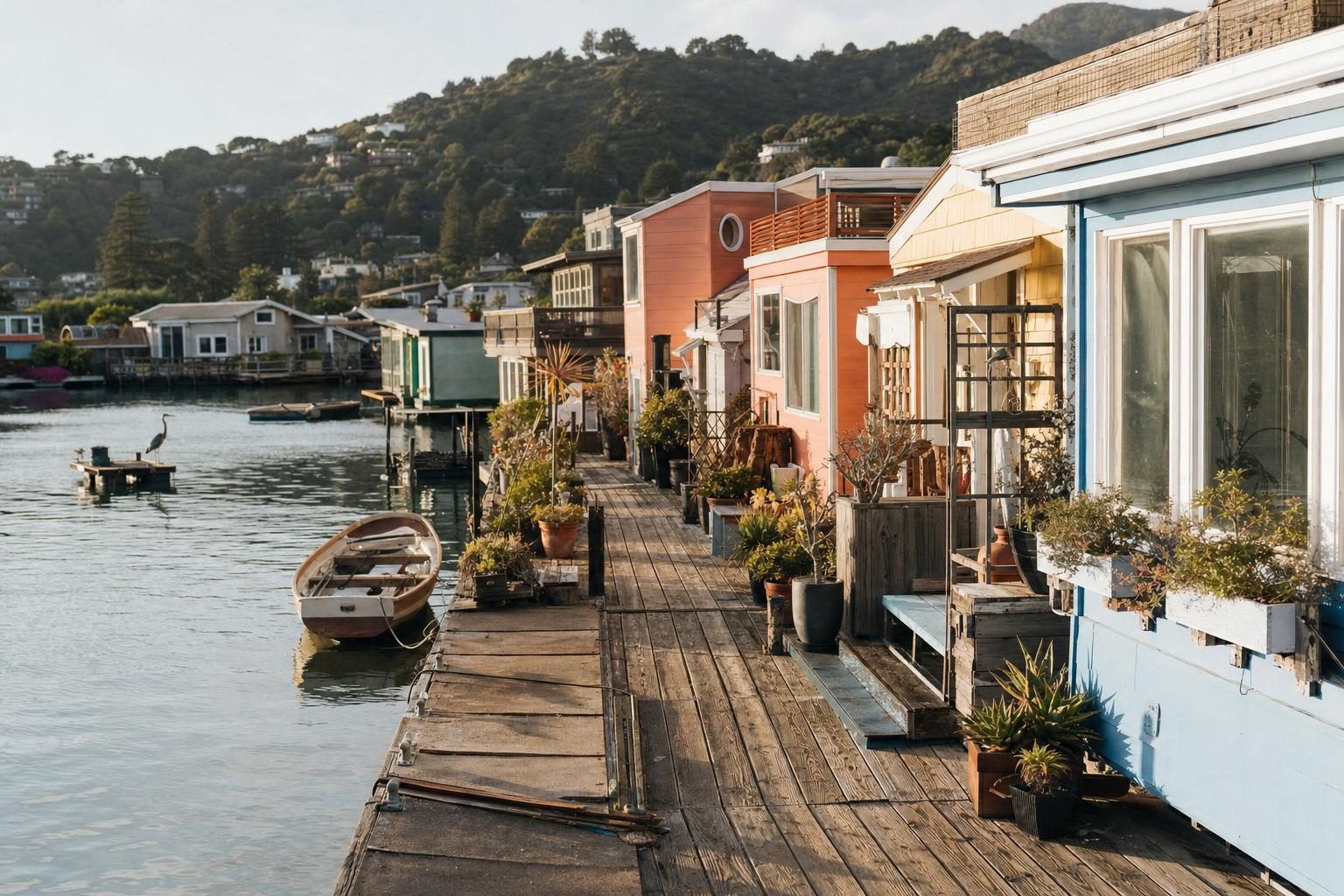
Build Your Own Urban Spiritual Retreat in Los Angeles
Los Angeles has been importing, inventing and exporting spiritual practice for a century. Its temples, gardens and bathhouses make it possible to put together a retreat without leaving the city.
Read the story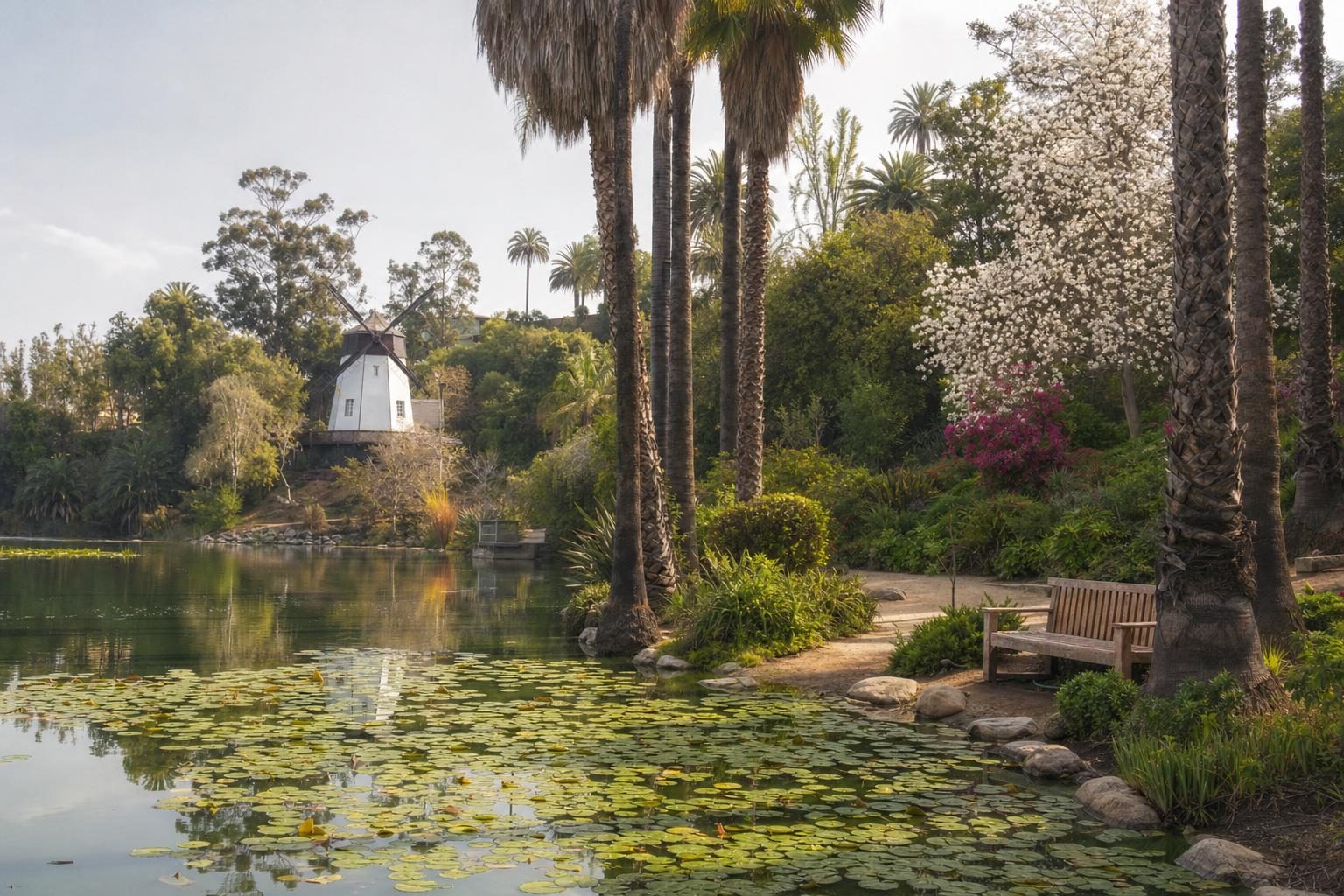
Alex Grey and the Chapel of Sacred Mirrors in the Hudson Valley Woods
On a wooded hillside above the Hudson, a painter and his wife have spent close to two decades turning forty acres and an old carriage house into a sanctuary for visionary art.
Read the story
Europe
Simple Pleasures in Monte Carlo and Monaco Ville
Under the yachts and the chandeliers, the world's second-smallest country is easy to explore on foot, and its best moments cost almost nothing.
Read the story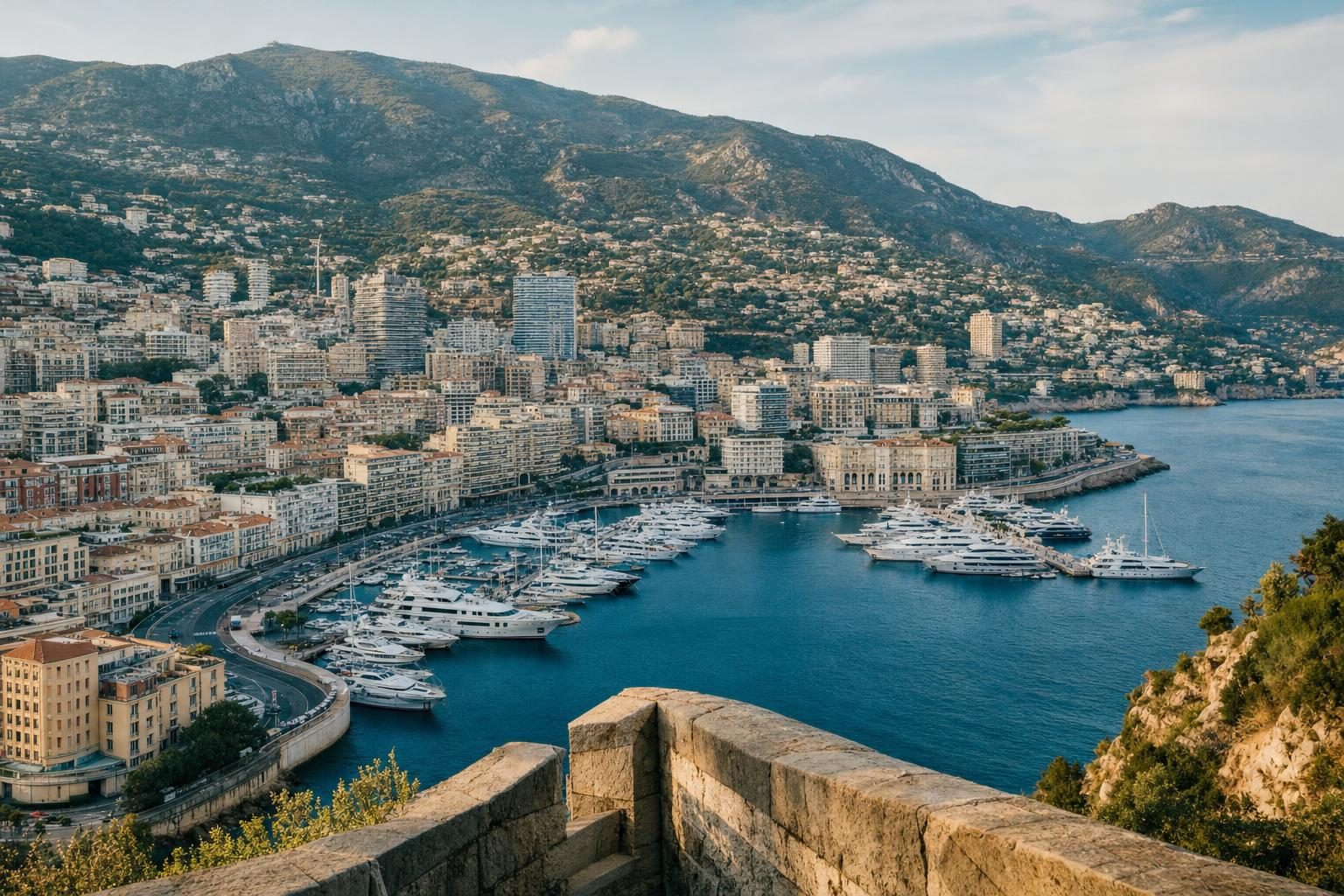
Africa
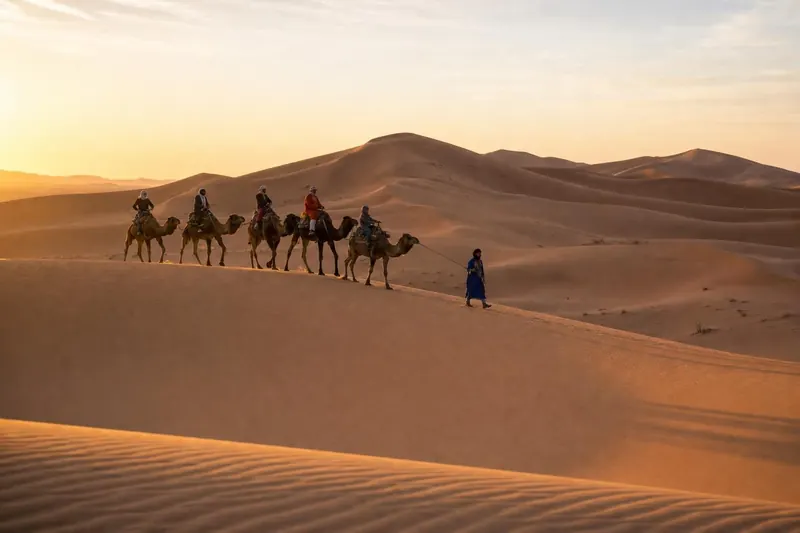
Merzouga Camel Trek: Sunset and a Night in Morocco's Erg Chebbi Dunes
An hour before sunset the dromedaries kneel in a line at the edge of the sand. By dark the riders are deep in the dunes of Erg Chebbi, a short walk from a camp lit by lanterns and a long way from any road.
Read the story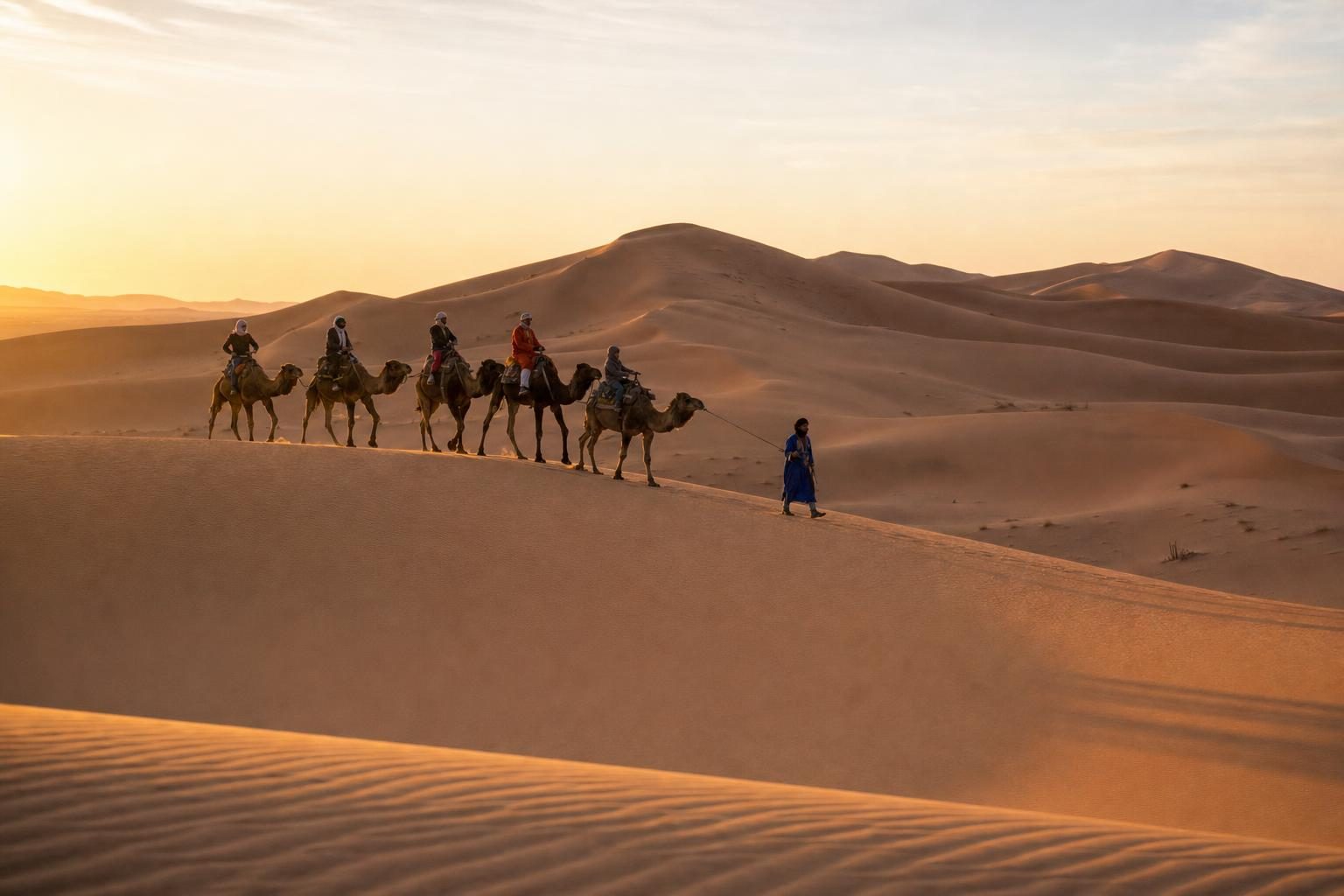
Oceania
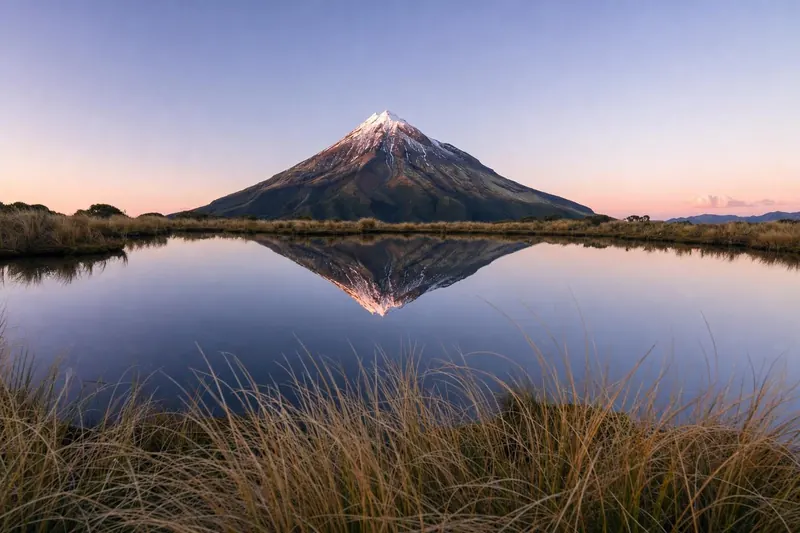
The Taranaki Legend: How Māori Tell the Battle of the Mountains
Two volcanoes fought over a third, and the loser walked to the sea. The story still explains a river, a lake island and the rain that hides Taranaki for days at a time.
Read the story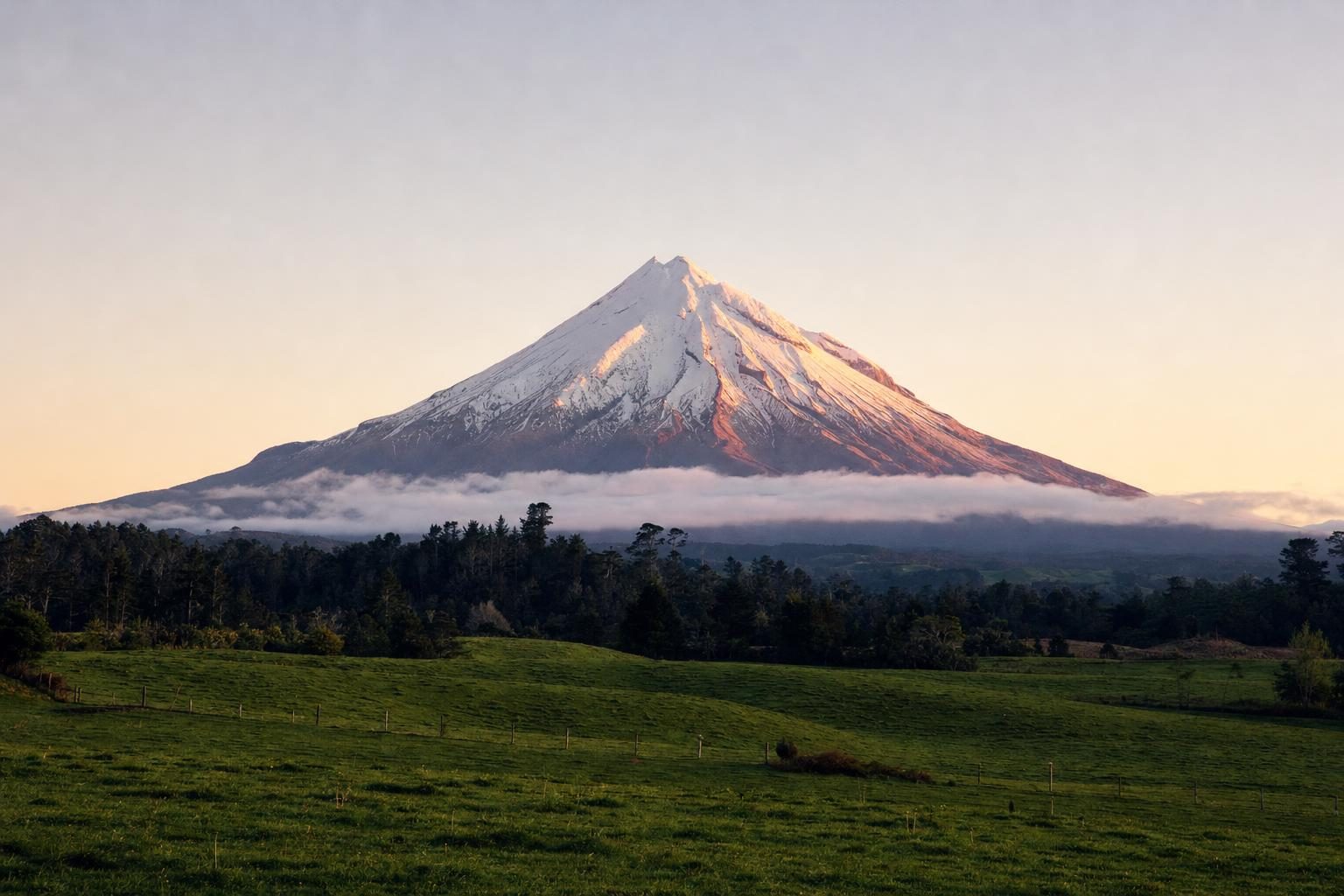
Jagged Edge, Queenstown: A Glass House Above the Adventure Town
A triangle of glass hangs off a schist bluff above Lake Wakatipu. Below it, a former gold town has spent sixty years inventing new ways to frighten its visitors.
Read the story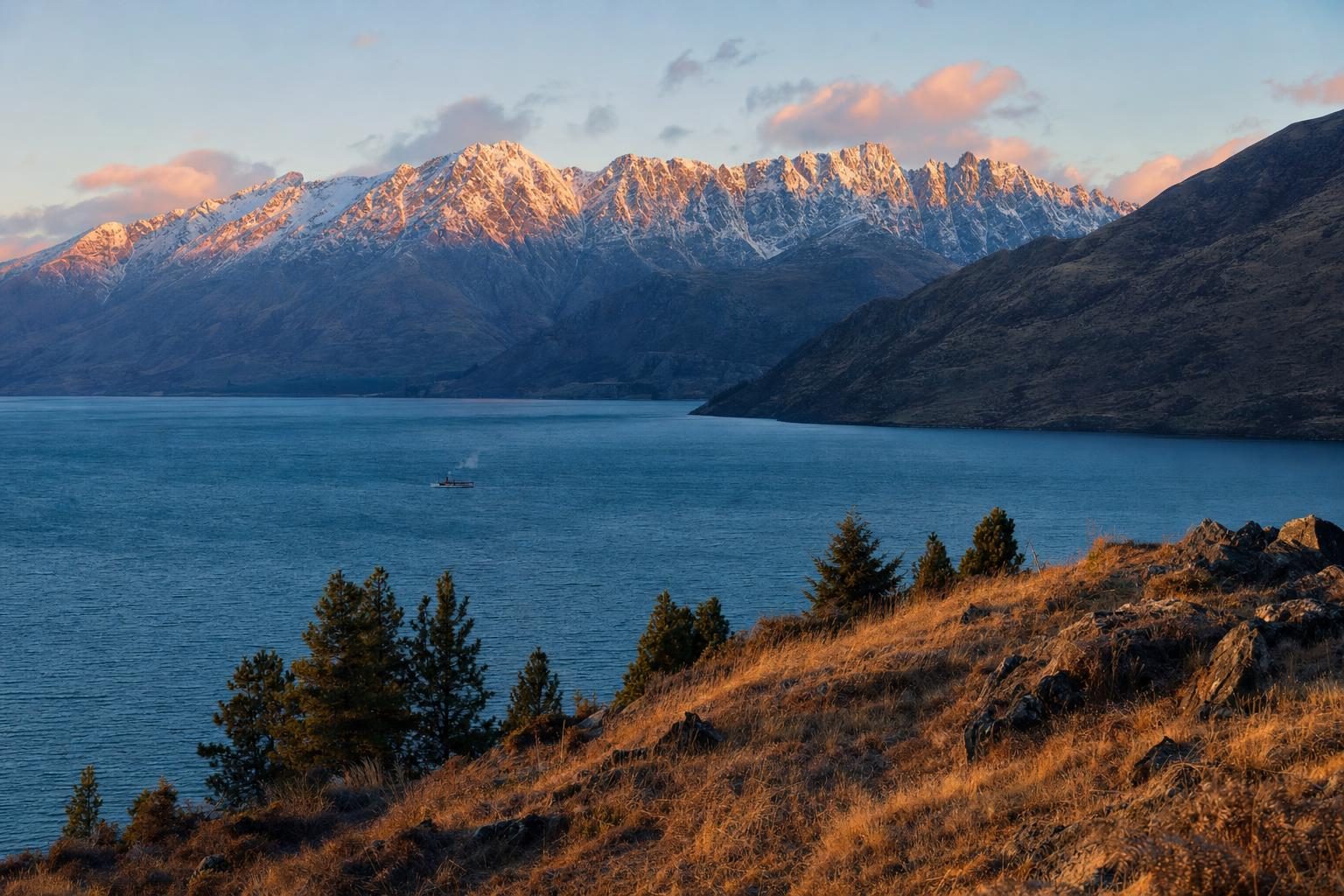
Sodashi: From a Perth Kitchen Bench to Spa Skincare in 22 Countries
A health food shop owner in Perth started blending essential oils for her own skin in the early 1990s. Three decades later the brand she named Sodashi supplies spas from Sydney to Kyoto.
Read the story
Across borders
Images from a Warming Planet: Ashley Cooper's 13-Year Climate Record
From a shrinking island in the Chukchi Sea to a vanished Bolivian glacier, Ashley Cooper spent thirteen years photographing what a warmer world looks like on the ground.
Read the story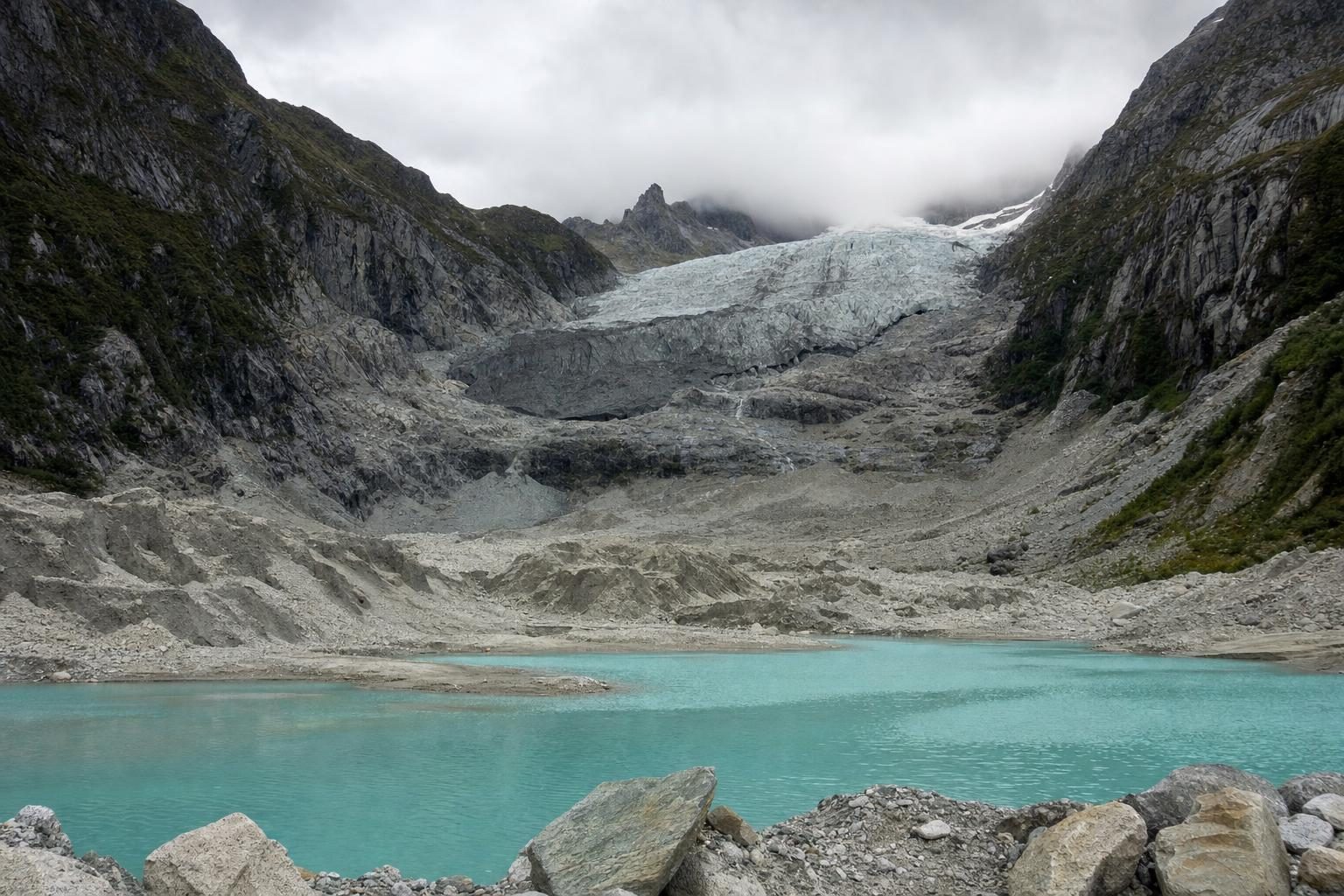
History of Pilgrimage: From Ancient Shrines to Modern Walking Routes
People have walked to sacred places for as long as there are records of either. The routes have changed, the reasons have multiplied, and in some places the crowds have never been larger.
Read the story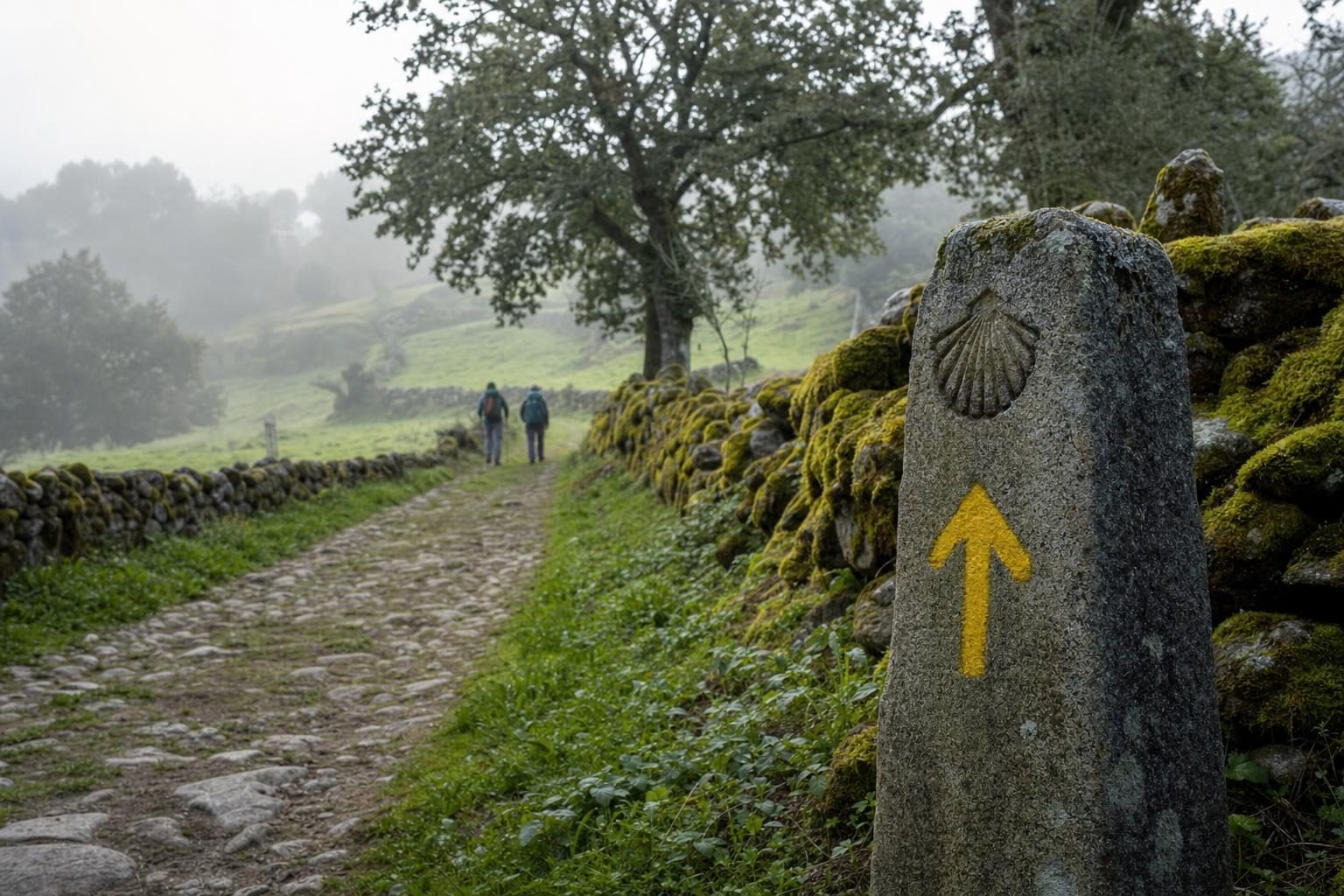
Health Spa Culture: From Ancient Roman Baths to Modern Thermal Spas
People have travelled to hot water for as long as there have been roads. The rituals changed with every empire, but the trip to the spring never really stopped.
Read the story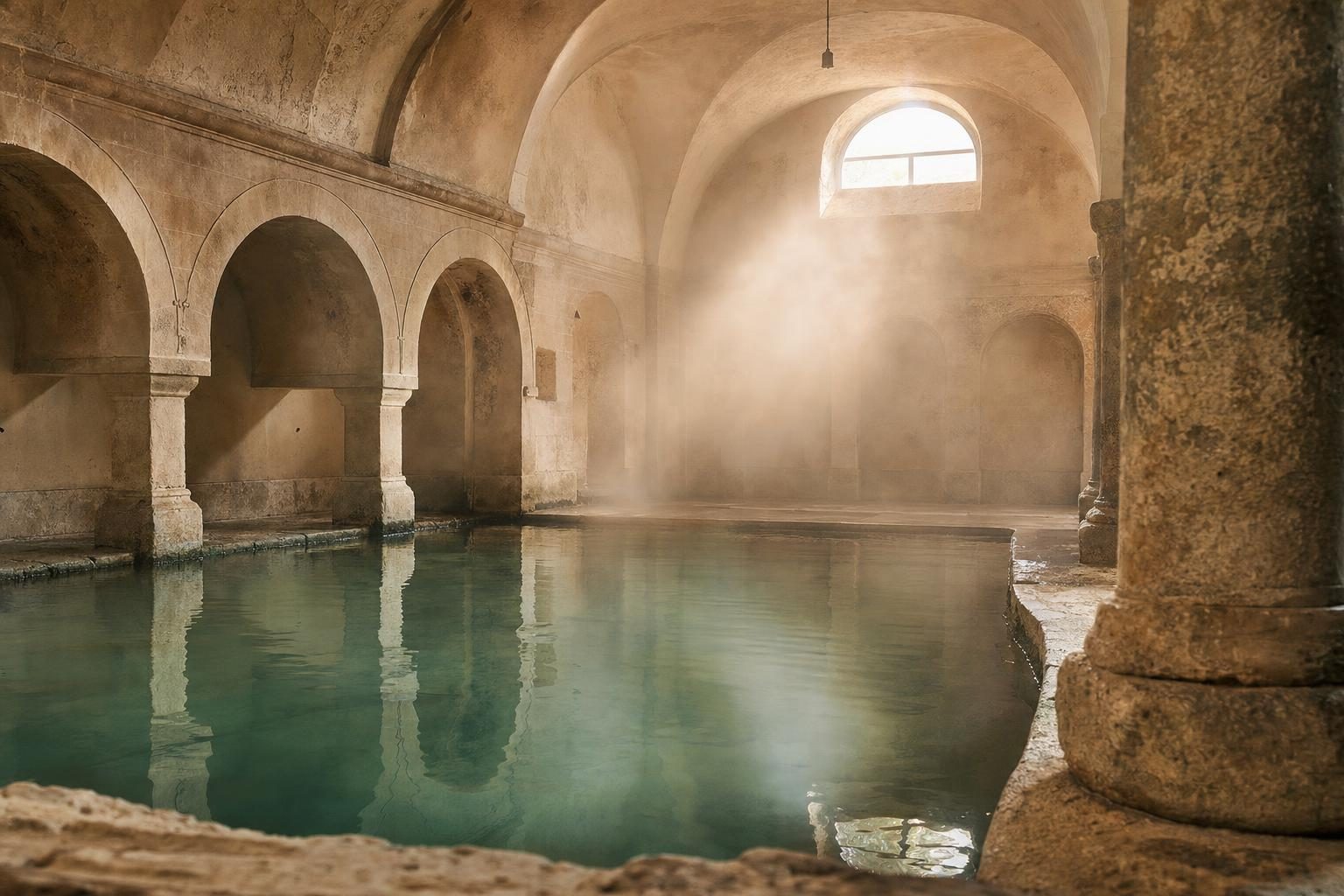
What the travel stories cover
The stories section is where the magazine slows down. A piece might follow the rangers who brought jaguars back to the Iberá marshes in Argentina, the potters and cave-house owners of Cappadocia, or the founders of a tree-house community in the Costa Rican rainforest. Others trace an idea rather than a place: the history of pilgrimage from Santiago to Mecca, or the way spa culture moved from Roman baths to Japanese onsen.
Most stories run between fifteen hundred and three thousand words. That length is deliberate. A short list of sights can tell a reader where to go; a long story explains why a place works the way it does, who keeps it going and what changed there in the last few decades.
How to read them
Each story opens with the place line and a short standfirst, then moves through the ground in order: a day, a route or a season. Practical notes sit inside the story where they matter, such as permits for Arunachal Pradesh or the best months for the Merzouga dunes, and every piece ends with a set of questions travellers tend to ask before they go.
If you would rather plan than read, the travel guides section turns the same places into itineraries, and Places sorts every story by region.
People, places and the long view
Several stories are portraits of people who changed a place: the founders of the Finca Bellavista tree-house community in Costa Rica, the rewilding teams in the Iberá marshes, the artist Alex Grey and the chapel he built in the Hudson Valley, and the family of Chris McCandless, whose story still draws hikers to the Stampede Trail in Alaska. These pieces are written from published sources and public records, and they say so where a detail is disputed.
Other stories look at a town through one lens. The Sausalito piece is about the houseboat community rather than the bay; the Bar Harbor piece follows a single day ashore beside Acadia National Park; the Merzouga story spends a night in the Erg Chebbi dunes. Reading two or three of them back to back is a good way to see how different the same kind of trip can feel from one coast to another.
Facts, sources and what changes
Stories rely on facts that can be checked: national park authorities, UNESCO listings, event organisers, published books and the reporting of established newspapers and broadcasters. Where sources disagree, as they do on the depth of the Derinkuyu underground city or the year a festival began, the story says so instead of picking a number. Places change too. A hotel named in an older account may have closed, a trail may have been rerouted after a rockfall, and a country may have become difficult to visit, as Myanmar has since 2021. The stories note these changes where they matter and avoid advice that could send a reader somewhere official advisories warn against.
Where to begin
Three stories make a good start. Cappadocia with the locals is the longest and most practical. The Iberá Wetlands is a conservation story with a clear arc. The history of pilgrimage is the one to read on a long train ride.
Common questions
How long are the travel stories?
Most run between 1,500 and 3,000 words, which is roughly a ten to fifteen minute read. Each one has a reading time under the headline.
Are the stories first-person travelogues?
No. They are written as features in the third person, built on the places, people and published sources behind each subject rather than on one traveller’s trip.
Which regions do the stories cover?
Europe, Asia, Africa, Oceania and the Americas are all represented, from Monaco and Cappadocia to Bhutan, Morocco, New Zealand and Argentina. The Places page groups every story by region.
Do the stories include practical travel information?
Yes, where it matters for the place: permits, seasons, how to get there and what has changed recently. Details that change often, such as prices, are described generally with a pointer to the official source.