Australia · Brand story
Sodashi: From a Perth Kitchen Bench to Spa Skincare in 22 Countries
A health food shop owner in Perth started blending essential oils for her own skin in the early 1990s. Three decades later the brand she named Sodashi supplies spas from Sydney to Kyoto.
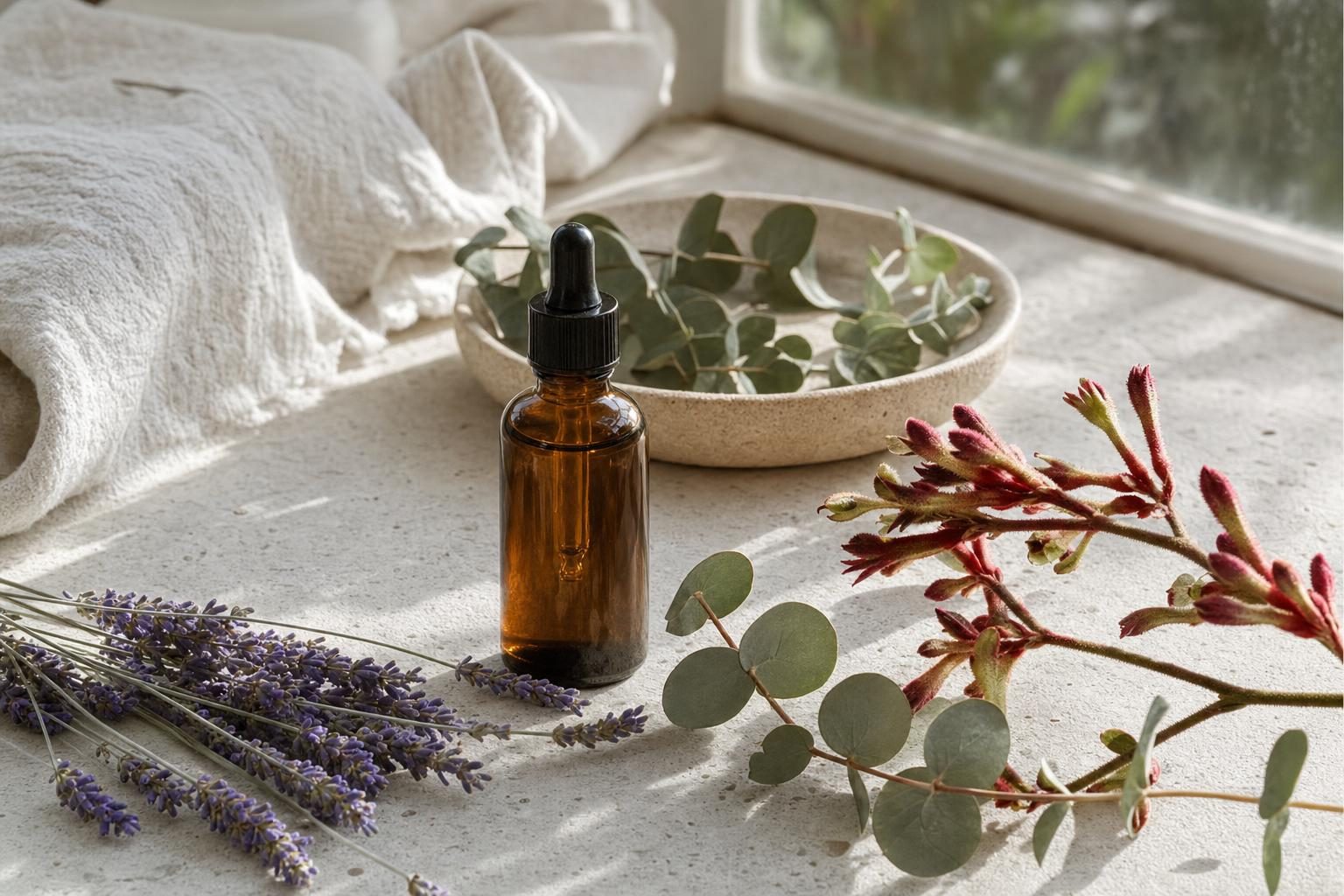
North Fremantle sits on the narrow neck of land between the Swan River and the Indian Ocean, a mix of old wool stores, port sheds and new apartments just across the river from Fremantle’s harbour. The company that gives its address there makes skincare by hand in Western Australia, with a team of about twenty, in batches small enough that each one is effectively a one-off. The jars end up in spa treatment rooms in Sydney, in the Whitsundays and in Kyoto.
The brand is Sodashi, and its story begins with a woman who could not find a moisturiser she liked.
A pharmacy in Napier, a field in Provence
Megan Larsen was born in 1962 in Dannevirke, a small farming town in the lower North Island of New Zealand, and grew up in Napier on Hawke’s Bay. Her first job was in a pharmacy. From there she trained in beauty therapy and in natural healthcare.
Napier is an unusual place to grow up. The 1931 Hawke’s Bay earthquake flattened much of the town centre, and it was rebuilt almost entirely in the styles of the moment, so that today its streets form one of the most complete collections of Art Deco buildings in the world. Every February the town dresses up for an Art Deco festival, with vintage cars and 1930s costume.
The turning point came in southern France. Larsen completed an advanced diploma in aromatherapy in Provence, and the brand’s own account of its origins starts in the lavender fields there. The training gave her a working knowledge of essential oils and of how they behave on skin, and it left her convinced that the natural products then on sale were pleasant but not especially effective.
She also brought another influence into the mix. Larsen has a long background in Ayurveda, the traditional medical system of India, and in Transcendental Meditation, which she has practised for decades. The brand’s name comes from that world: Sodashi is a Sanskrit word that the company translates as wholeness, purity and radiance.
The kitchen bench in Perth
In her early thirties Larsen moved across the Tasman to Western Australia and opened a health food store in Perth. She started making skincare for herself on her kitchen bench, blending carrier oils with essential oils in small quantities. Customers noticed. Before long they were buying it, and the shop was selling her own skincare alongside the vitamins and wholefoods.
Sourcing was hard work in the early days. Speaking to an Australian newspaper in 2025, Larsen recalled that in 1999 there were no online suppliers and few distributors for what she wanted, so she bought cold-pressed avocado oil directly from the farmers who grew the fruit.
That year she made it official, and Sodashi launched as a brand.
Built for the treatment room
The decision that shaped Sodashi most was its choice of customer. Rather than chase supermarket or department store shelves, Larsen built the range around spas. Products were designed to be used by therapists in long treatments, with retail jars for clients to take home afterwards.
The company still describes itself as the world’s only 100 per cent natural range devoted exclusively to the spa industry. Whether or not that claim can be tested, the positioning has held for more than a quarter of a century. Over the years the brand has appeared in COMO Shambhala Urban Escape in Perth, at Qualia on Hamilton Island in the Whitsundays, at the Four Seasons in Kyoto and at Chi, The Spa at Shangri-La Sydney. Earlier profiles put it in more than 70 luxury spas in over 25 countries; the 2025 trade press figure was 22 countries.
The approach suits a brand that grew out of aromatherapy. Spa treatments are long, the client is lying down, and smell matters as much as texture. A face treatment built around essential oil blends is a different experience from a quick application at a bathroom mirror, and it lets a therapist explain what each product does.
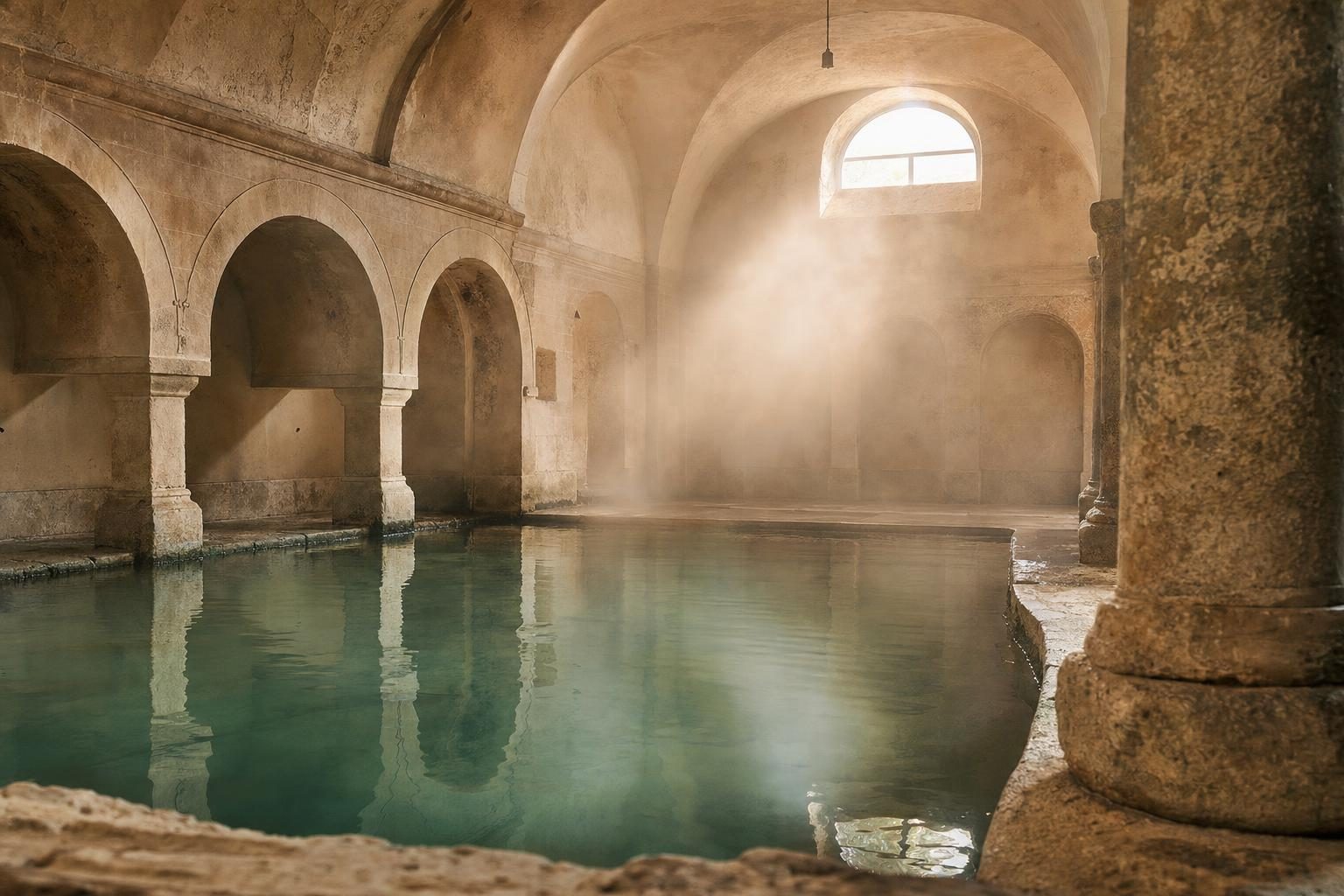
For a sense of how old the idea of travelling for treatment really is, the long history of spa culture runs from Roman bathhouses to the hotel spas where Sodashi is now found.
What goes in the jar
Sodashi’s stated rules are short. Every ingredient appears on the label. No synthetic chemicals are used in manufacturing. The products are vegan and cruelty-free, and none are tested on animals. Each batch is made on the company’s own premises in Western Australia rather than by a contract manufacturer.
The company frames its values in a list of seven words: love, integrity, thoughtful, grace, purity, evolving and nourishing. That reads more like a meditation group’s than a cosmetics firm’s, which is close to the point. Larsen’s interest in meditation has shaped how she talks about running the business as well as what it sells.
Here is a side-track that only matters to people who like maps. Western Australia covers roughly a third of the Australian continent, and Perth is often described as the most isolated large city on Earth, closer to Jakarta than to Sydney. The brand’s chief executive described it in 2025 simply as the world’s most remote state. For a company that supplies spas overseas, every export starts with a very long flight.
A state with its own scent
Western Australia has a longer history with aromatic oils than its modern beauty industry might suggest. Its native sandalwood, Santalum spicatum, a small, slow-growing tree of the dry inland, was one of the colony’s first exports. Shipments left Fremantle from 1844, mostly bound for Asia, where the fragrant heartwood was burned as incense, and within a few years the trade was worth as much as whale oil and wool. Clearing was so heavy that the colonial government passed laws to limit it. Oil was first distilled from the wood in 1875, and today Western Australian plantations and wild harvest supply a large share of the world’s sandalwood oil.
The southwest corner of the state is also one of the botanical wonders of the planet. Conservation scientists count it among the world’s biodiversity hotspots: depending on how the region’s edges are drawn, it holds somewhere between about 6,700 and 8,700 native plant species and subspecies, and close to half of them grow nowhere else. In late winter and spring, roughly from August into November, the sandplains north and east of Perth turn yellow, pink and white with flowering banksias, kangaroo paws and everlastings, and wildflower drives are one of the state’s best-known reasons to hire a car.
None of this is part of the Sodashi story as the company tells it, and the range is not marketed on native botanicals. It is simply the backdrop: a business built on plant oils that stayed in a state whose first export was a fragrant wood.
Two decades on
In 2016 Larsen received the InStyle Award for Beauty. Two years later she published her first book, Startups and Self-Care, which mixes business advice with the self-care routines she credits for getting through the hardest years of building a company. She now lives in Sydney.
The biggest recent change came in August 2025, when Sodashi appointed Caroline Johnston as chief executive. Johnston is from Perth and returned home after about eight years overseas in leadership roles across luxury fashion, jewellery and bridal businesses in Europe, America and Australasia. The spa industry publication Spa Business reported that Larsen made the appointment to lead the brand into its next phase of growth, with plans to expand in hotel spas, retail spa lounges and direct online sales. Larsen remains founder and director. At the time of the announcement, Sodashi was stocked in 22 countries and its products were still handmade in Western Australia by a team of around 20.
The company also continues to run events at home. In October 2025 it held an aromatic spring workshop with Larsen at State Buildings, the restored heritage precinct in central Perth.
Finding Sodashi on the road
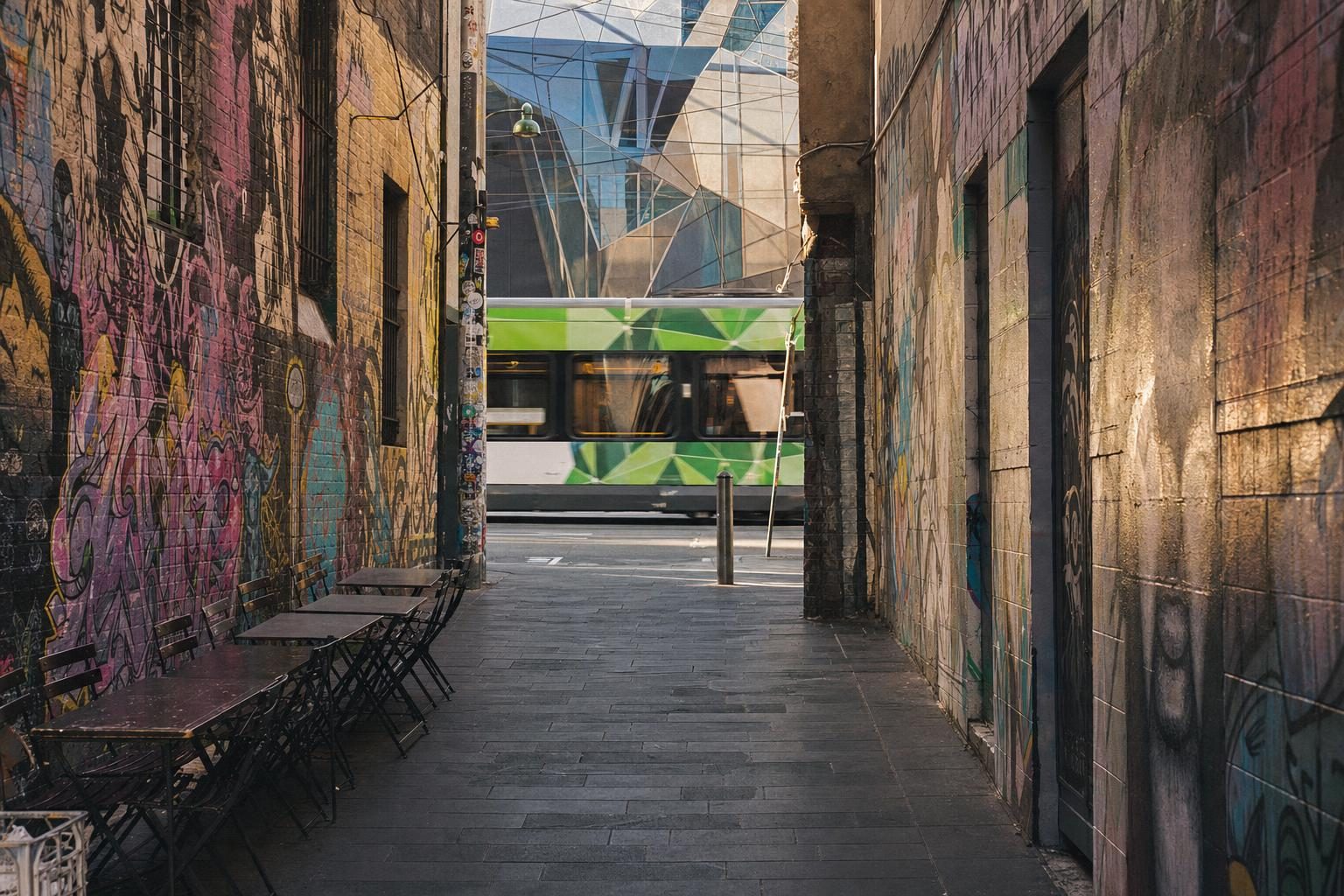
For travellers, the simplest way to meet the brand is in a treatment room. In Perth, the hotel spas of the central city are the obvious start; on the east coast, Chi, The Spa sits inside the Shangri-La hotel above Sydney Harbour. If your trip takes in Victoria, the Melbourne city guide covers a city with no shortage of day spas of its own.
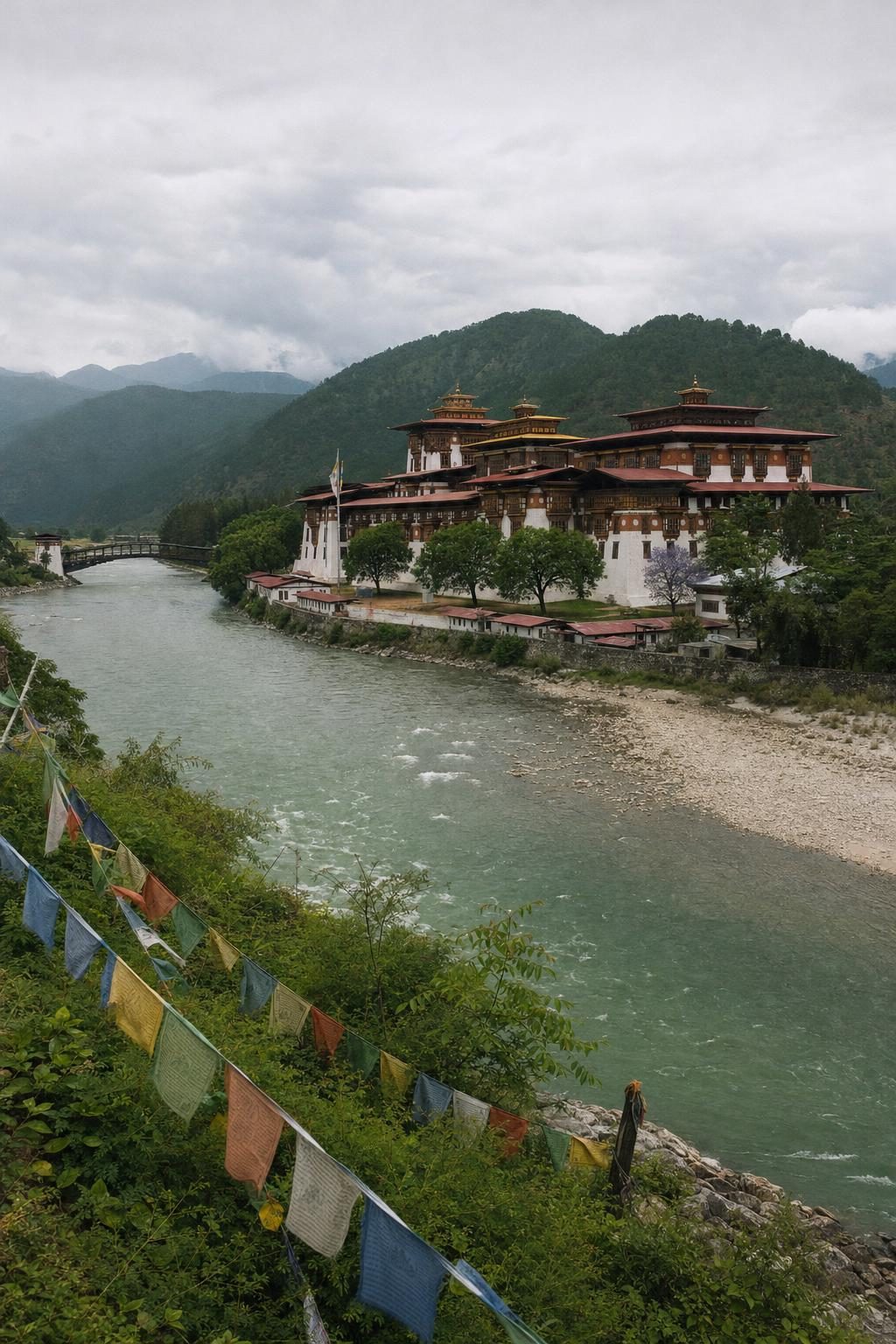
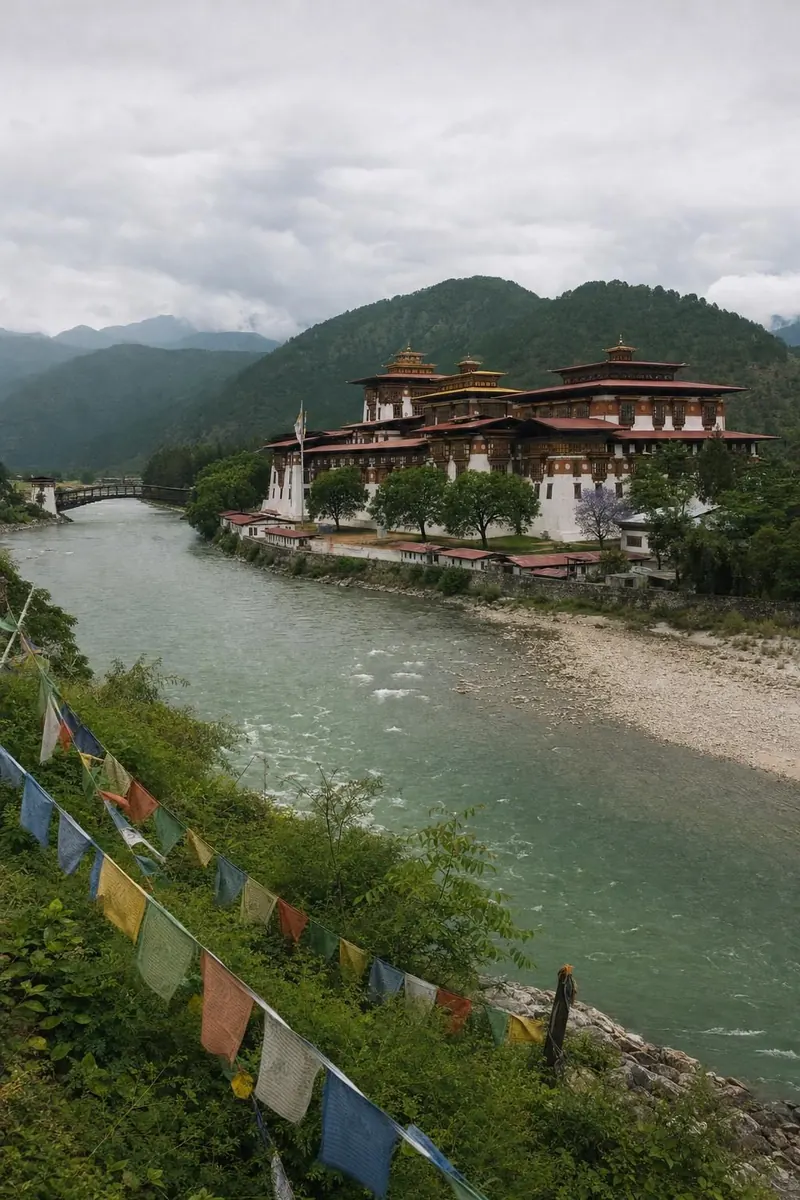
The Sanskrit name also points further afield. Ayurvedic ideas about balance and daily ritual run through much of the Himalayan world, and the Buddhist kingdom described in Bhutan: Himalayan Harmony is one of the places where traditional medicine still sits alongside the modern clinic.
Fremantle itself repays a day. The suburban train from central Perth takes about half an hour, and the port town’s limestone streets hold Fremantle Prison, part of the Australian Convict Sites World Heritage listing, and Fremantle Markets, trading in the same Victorian hall since 1897. The North Fremantle side of the river is quieter, with old warehouses converted into homes and studios.
Spa menus change and partnerships come and go, so the brand’s own website is the best place to check which spas currently use the range.
In Western Australia, meanwhile, the batches are still mixed by hand, one at a time, a long way from any of the spas that use them.
Questions before you go
What is Sodashi?
Sodashi is an Australian natural skincare brand that formulates products and treatments for spas. It was founded by Megan Larsen in 1999 and its products are handcrafted in Western Australia. The brand describes itself as a 100 per cent natural range made for the spa industry.
What does the name Sodashi mean?
Sodashi comes from a Sanskrit word the brand translates as wholeness, purity and radiance. The name reflects Megan Larsen's background in Ayurveda, the traditional Indian system of medicine.
Who founded Sodashi?
Megan Larsen, born in Dannevirke, New Zealand, in 1962 and raised in Napier. She trained in beauty therapy and natural healthcare, completed an advanced diploma in aromatherapy in Provence, moved to Western Australia in her early thirties and ran a health food store in Perth before launching Sodashi.
Where are Sodashi products made?
Sodashi products are made on the company's own premises in Western Australia, with a supplier address in North Fremantle. In 2025 the brand said a team of about 20 artisans handcrafts each batch.
Is Sodashi still in business?
Yes. In August 2025 the company appointed Caroline Johnston as chief executive, with Megan Larsen remaining as founder and director. Sodashi was then stocked in 22 countries and ran public workshops in Perth later that year.
Is Sodashi vegan and cruelty-free?
The company states that its products are vegan and cruelty-free, that none are tested on animals and that no synthetic chemicals are used in manufacturing. Every ingredient is listed on the label.
Which spas use Sodashi?
Spas named by the brand or the trade press include COMO Shambhala Urban Escape in Perth, the spa at Qualia on Hamilton Island, the spa at Four Seasons Hotel Kyoto and Chi, The Spa at Shangri-La Sydney. The list changes over time.
Has Megan Larsen written a book?
Yes. Her book Startups and Self-Care was published in October 2018. It draws on her experience of building Sodashi and on her own self-care routines.
What awards has Sodashi's founder received?
Megan Larsen received the InStyle Award for Beauty in 2016.