Guides built around real days
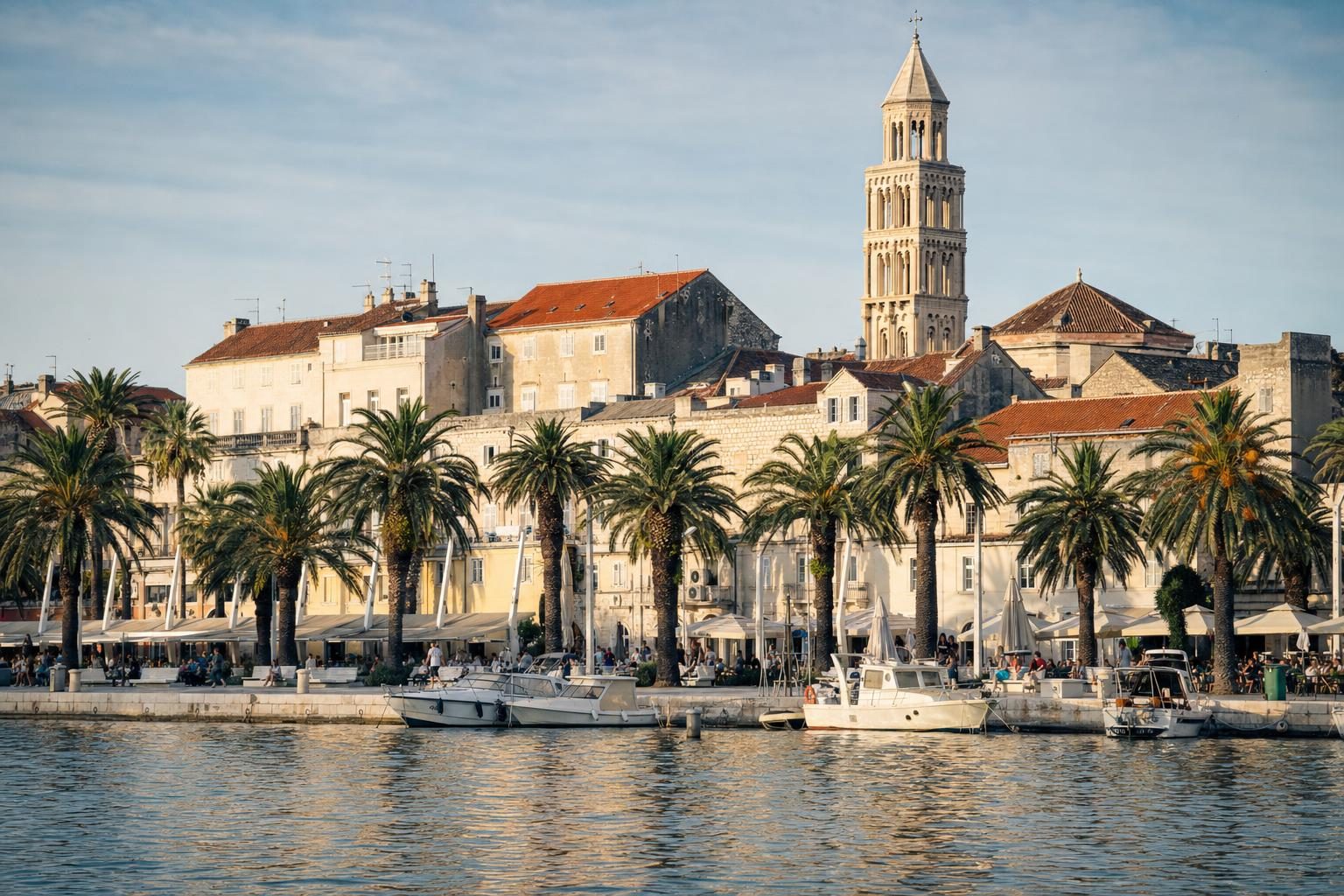
Each travel guide starts from a question a traveller actually has: how to spend one week on the Dalmatian coast without losing a day to the ferry timetable, what 48 hours in Klaipėda looks like when the second day belongs to the Curonian Spit, or which Greek islands to combine when the Cyclades and the Ionian Sea sit on opposite sides of the mainland.
The answer is laid out in the order the days happen. Crossing times, walking distances and the gaps between them are part of the text, and the longer guides carry a figure, such as a route map with typical summer sailing times or a chart of distances from a base town.
What each guide includes
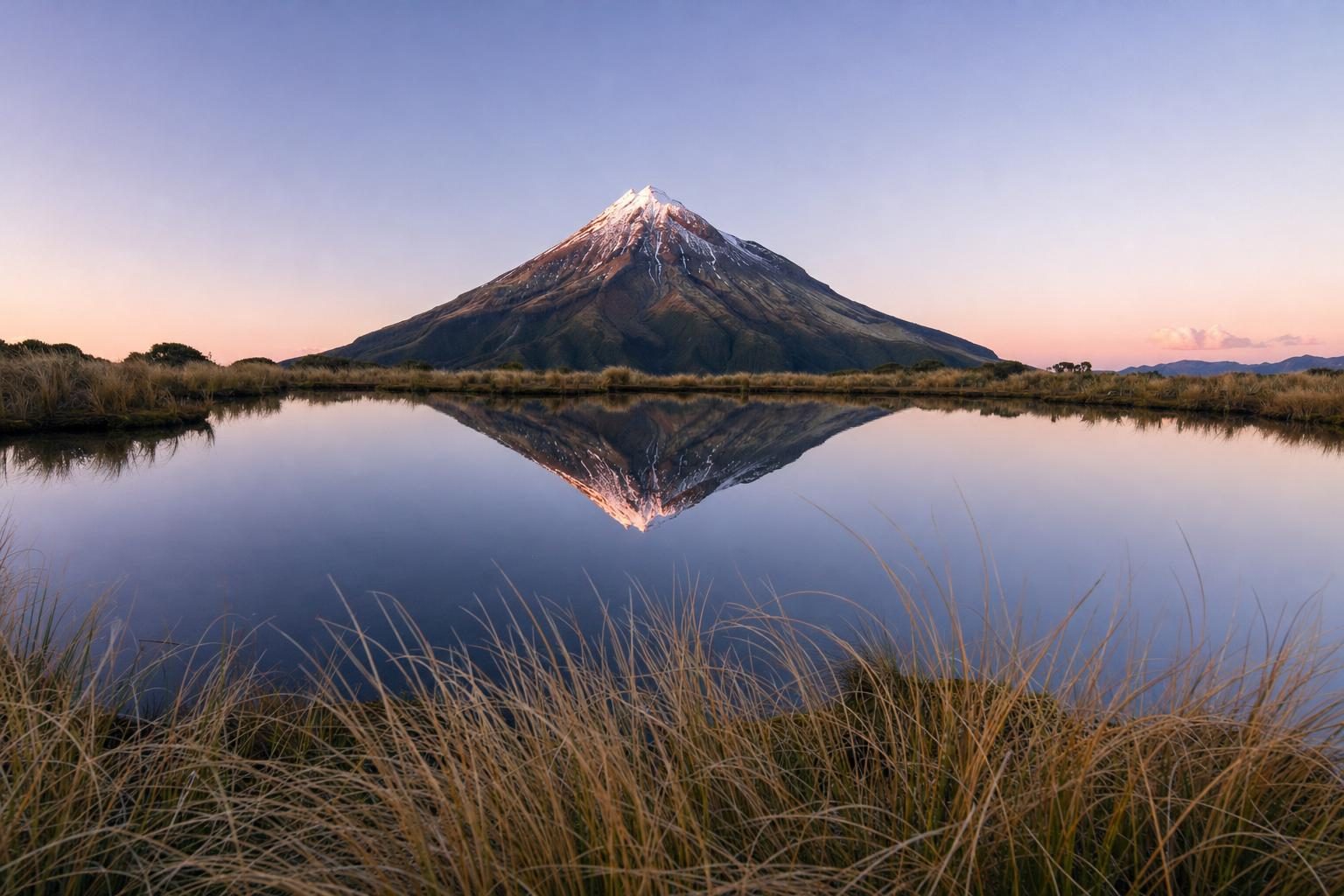
Every guide covers when to go, how to get there, how to get around once you arrive and where to stay, usually by neighbourhood or town rather than by named hotel. Hikes such as the GR20 in Corsica or the Pouakai Crossing in New Zealand add the hut system, the hardest sections and the weather that closes the route.
Ferry, bus and train times are checked against the operators’ published timetables, but they change every season. The guides give typical times and say which ones to confirm before you book.
Which guide for which kind of trip
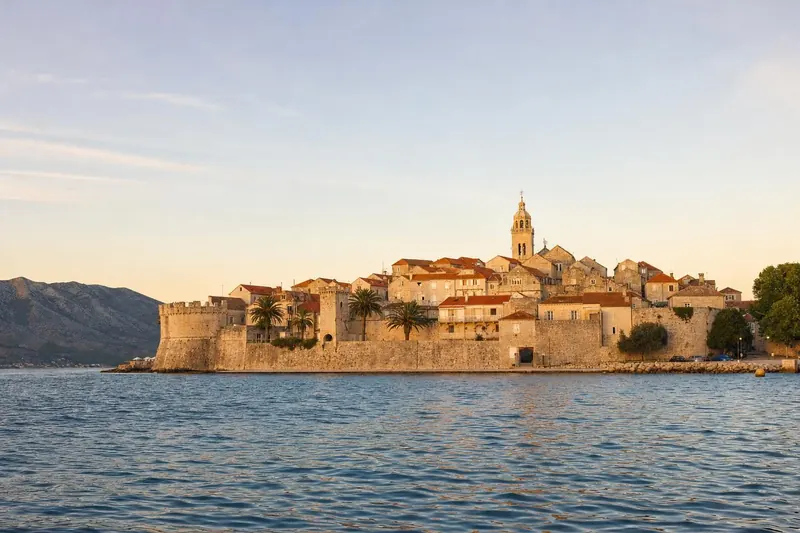
For a first island trip, the Dalmatian coast itinerary is the easiest: one week, five stops, frequent boats from June to September and short crossings. The two Greek islands guides suit a longer stay and travellers who are happy to plan around fewer, longer ferries; the Cyclades and Ionian guide covers both sides of the mainland, while the Dodecanese and Northeast Aegean guide reaches the islands closest to Türkiye.
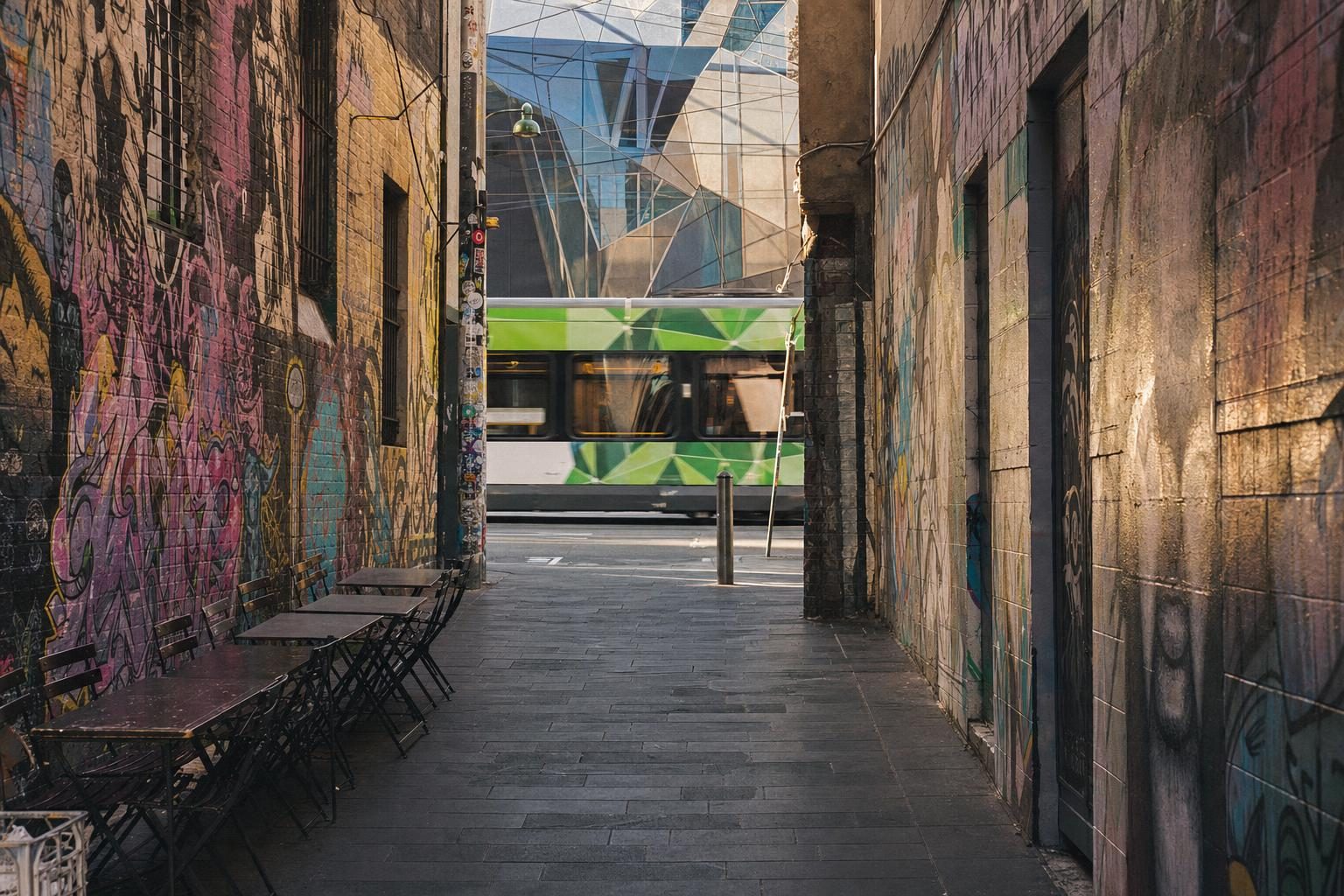
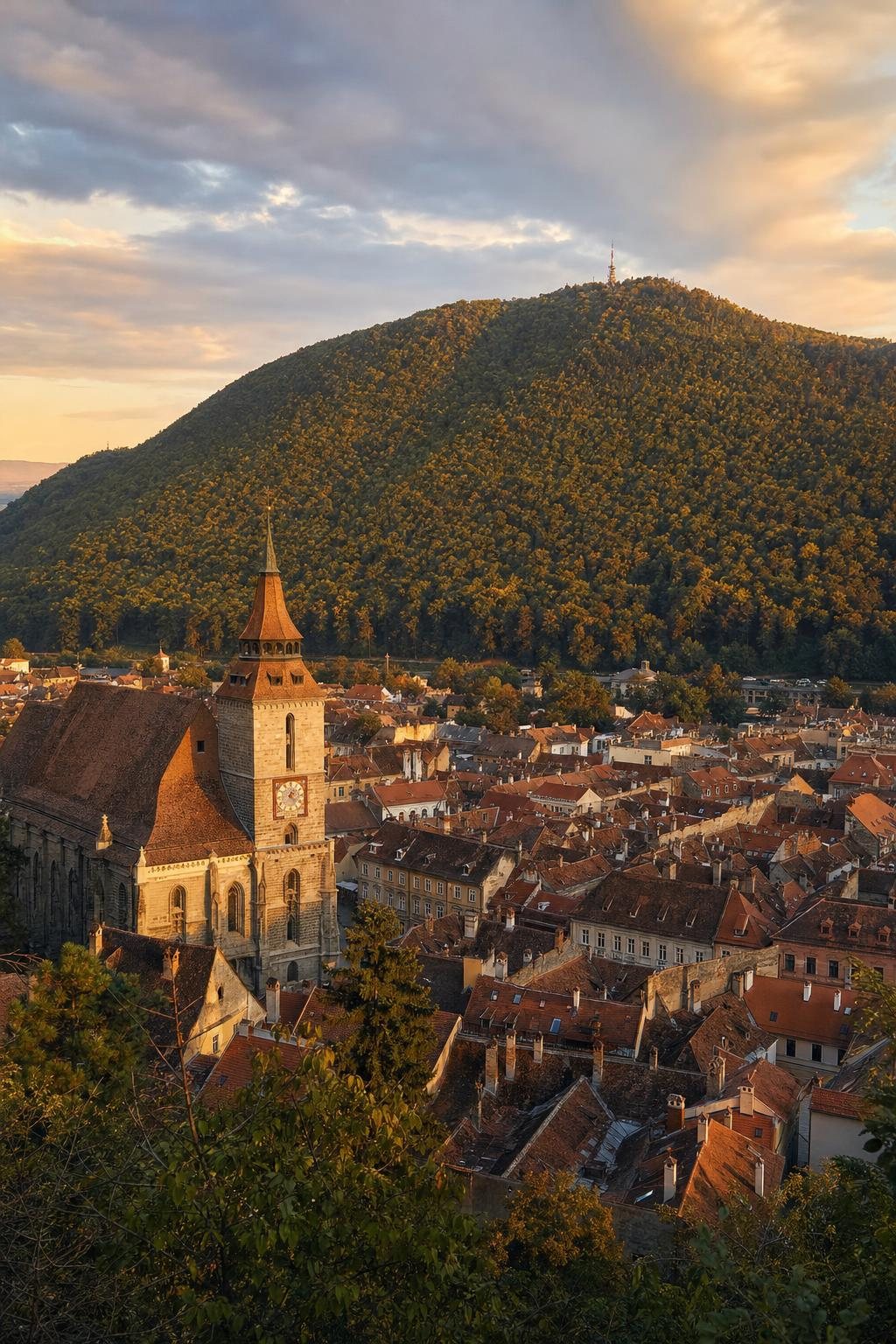
City breaks are covered by the Klaipėda and Melbourne guides, each built around two or three days on foot and by public transport. Brașov works as a base for a week in Transylvania, with day trips to Bran, Râșnov, Sighișoara and the fortified church at Prejmer. Walkers should start with the Pouakai Crossing, which fits in one long day, before taking on the fifteen or so stages of the GR20 in Corsica.
Seasons and timing
Timing shapes almost every guide. The Adriatic and Aegean ferries run their fullest timetables from June to September and thin out sharply in winter, when some island routes stop altogether. The Curonian Spit is busiest in July and August, while Brașov is at its best in late spring and early autumn, and again in December around the Christmas market. The GR20 refuges open only between late spring and early autumn, and the Pouakai Crossing is safest in the settled weather of the New Zealand summer. Each guide gives the months that work best and the ones to avoid, with the reasons, so the choice can be made on more than the calendar alone.
Pairing guides with stories
Many guides have a companion story. The Brașov guide sits well beside the pieces on pilgrimage and old trade towns; the Dalmatian coast itinerary follows the same route as the homepage feature. For an overview by region, use Places.