Switzerland · Event
Jungfrau Marathon: A World-Class Mountain Race
Ten kilometres of flat lakeside running, then a long climb past waterfalls and car-free villages to finish in the shadow of the Eiger, Mönch and Jungfrau.
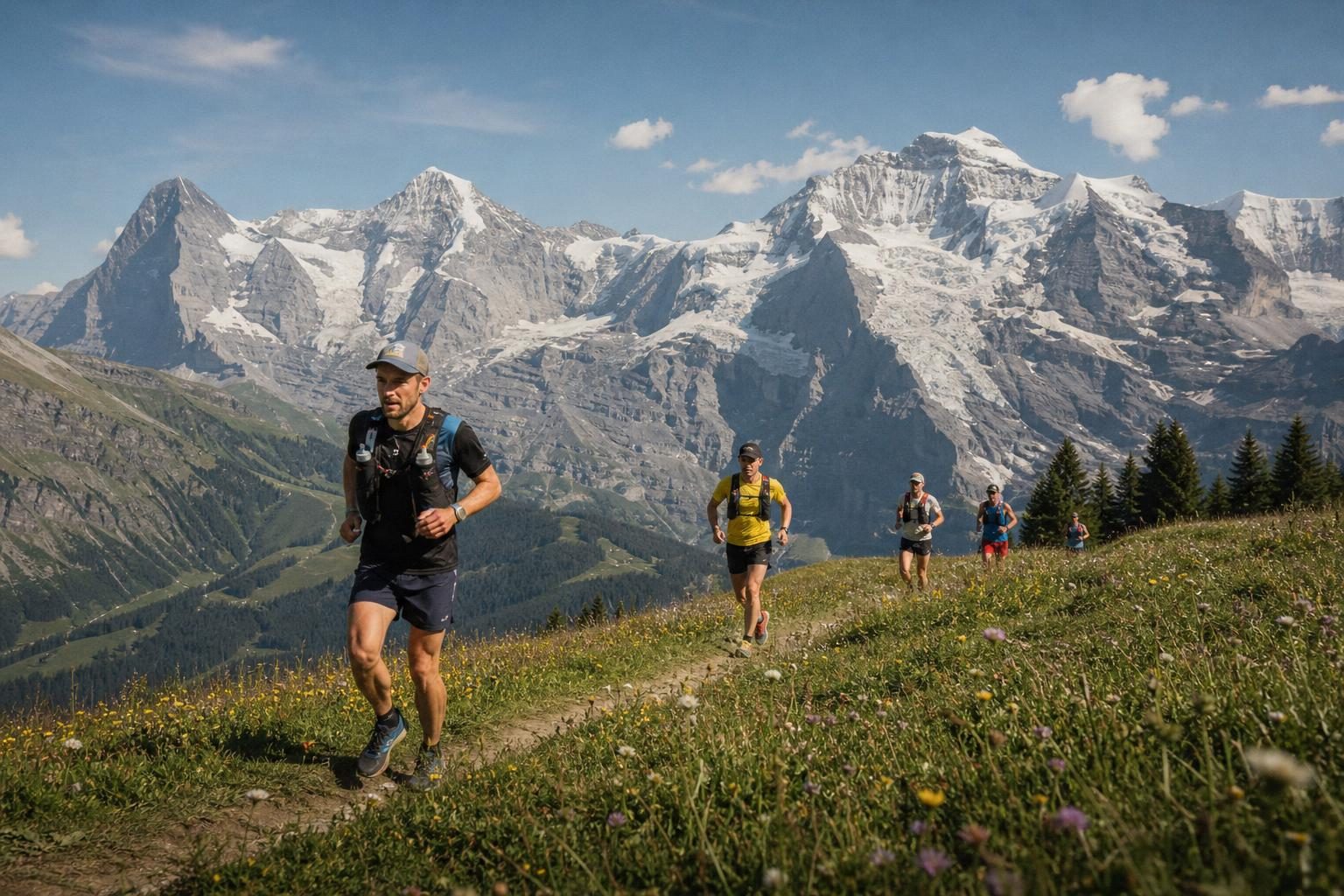
At the start on the Höhematte, the big green meadow in the centre of Interlaken, the Jungfrau is already in view: a white wedge at the end of the valley, more than 4,000 metres high and far away. Runners line up facing it in their thousands. The Jungfrau Marathon will take them most of the way there, up 1,953 metres of mountainside, over the full 42.195 kilometres of a standard marathon. Few of them will run the whole thing.
The race was first held in September 1993 and quickly gained a reputation as one of the classic mountain marathons. It is held every September, it sells out, and around half of each year’s runners have done it before. In 2025, 3,612 runners from 66 nations started.
International mountain running took notice early. In 2007 the race incorporated the World Long Distance Mountain Running Challenge, bringing in specialist mountain runners from many countries, and the winners’ list since then has mixed professional mountain runners with strong road marathoners trying something different. For the majority of the field, though, the target is simpler: to reach the top, ideally while still running, and to collect a medal with the Eiger behind it. The course has been altered over the years, most visibly with the move of the finish, but its basic shape has stayed the same since 1993: a flat start, a long valley, a wall of forest and a high alpine finish.
The three mountains on the horizon are part of the appeal. The Jungfrau, at 4,158 metres, was first climbed in 1811. The Eiger’s north face, a dark wall of rock and ice nearly 1,800 metres high, resisted climbers until 1938 and became one of the most famous faces in mountaineering. The Mönch stands between them. For most of the race, runners see at least one of the three, and by the end they are standing almost underneath them.
Plan your visit
- When
- Every September; the 34th edition is set for 10 and 11 September 2027 More
- Distance
- 42.195 km from Interlaken to Eigergletscher, with 1,953 metres of climbing More
- Tickets
- Online registration opens 14 February 2027 at 08:00 local time; around 4,000 places More
- Base
- Interlaken has the widest choice and is closest to the start; book early for race weekend More
The flat first ten kilometres
The opening section is deceptive. Runners loop through Interlaken and out along flat roads by the Aare and towards Lake Brienz, then turn up the valley to Wilderswil. It feels like a road marathon, and the danger is to treat it like one. Pacing too fast on the flat costs dearly later, a point every seasoned runner of the Jungfrau Marathon makes to first-timers.
The valley narrows after Zweilütschinen, and the river beside the road turns a milky grey from glacial silt. Bands and alphorn players appear at junctions, and the crowd thickens through every village.
Lauterbrunnen and the climb to Wengen
Lauterbrunnen lies in a deep, flat-floored valley with sheer limestone walls on both sides, where dozens of waterfalls tumble from the cliffs. The best known, Staubbach Falls, drops almost 300 metres from the rim in a single veil of spray, close to the course. The runners pass through the village around the halfway mark, and the road ends.
Then the race changes character. The section up to Wengen climbs around 450 metres in about five kilometres, zigzagging up the forested slope. Most of the field walks parts of it, hands on thighs. The air cools, the cowbells grow louder, and the view behind them opens up across the valley.
Wengen is car-free, reached in normal life only by the rack railway from Lauterbrunnen. On race day it holds one of the biggest crowds on the route. Spectators line the main street several deep, and many of them have been there since early morning to watch every runner through.
A small diversion, since the village is on everybody’s lips in winter: Wengen also hosts the Lauberhorn, one of the longest downhill ski races on the World Cup circuit, and its course runs down the same mountainside the marathon climbs.
Above the treeline
Past Wengen, the forest thins and the course runs onto open alpine pasture. The Eiger, Mönch and Jungfrau fill the skyline ahead, and the high peaks ahead belong to the Swiss Alps Jungfrau-Aletsch area, a UNESCO World Heritage Site since 2001. The kilometre markers seem to come further apart. Runners who started at a jog have been walking for some time.
The last part of the climb follows a moraine, a long ridge of stones left by the retreating glacier. The trail is narrow and rocky, and for years a single bagpiper has stood on this stretch, playing runners up the final hill. The thin air at above 2,000 metres makes everything harder, and the last kilometres are often the slowest of the day.
The finish at Eigergletscher
Since 2021, the Jungfrau Marathon has finished at Eigergletscher, a railway station at 2,320 metres beneath the north face of the Eiger. Before the change, runners crested the high point of the course and dropped down to Kleine Scheidegg for the last kilometre. The present finish keeps the race climbing almost to the end.
The finish area has views straight onto the glacier and the north face, one of the most famous walls in climbing history. Runners receive their medals, and an aerial cableway and train take them back to Interlaken, a return included in the entry fee. On the old course, the record of 2:49:01 set by New Zealander Jonathan Wyatt in 2003 stood for years. On the present course, Laura Hottenrott of Germany set a women’s record of 3:17:35 in 2025.
Weather on a September mountainside
September in the Bernese Oberland can be anything. Race days have been sunny and dry, with runners in vests and sunglasses, and the valley floor can be warm by midday. Higher up, the temperature drops with every few hundred metres of climb, and cloud can settle on the moraine while Interlaken is still in sunshine. Early snow on the upper slopes is not unheard of in the Alps at this time of year.
The practical answer is layers. Most runners start light and carry, or send ahead, a jacket and something warm for the finish, where they will stand around at 2,320 metres in damp clothes while waiting for transport. Gloves weigh nothing and are often the most useful item in the bag.
Sun is the other hazard. At altitude, ultraviolet light is stronger, and a cloudless afternoon on open pasture burns faster than most people expect.
Watching the Jungfrau Marathon
The Jungfrau Marathon is unusually good for spectators, because the course follows the railway for much of its length. Supporters can cheer in Interlaken at the start, take a train to Lauterbrunnen to watch runners pass the halfway mark, and ride the Wengernalp railway up to Wengen in time to see them come through again. Trains run often on race day, but they are busy, and anyone hoping to reach the finish area before their runner needs to leave the valley early.
The atmosphere is local and loud. Villagers ring cowbells the size of footballs, alphorns sound from the meadows, and children hand out water and encouragement. Many runners say the crowds in Wengen are the loudest of the day.
Registration and race weekend
Places are limited to around 4,000, and they are sought after. The organisers open online registration in February. For the 34th edition, set for 10 and 11 September 2027, registration opens on 14 February 2027 at 08:00 local time, and the same early-September pattern continues for 2028 and 2029. Anyone serious about running should be ready on the morning registration opens.
The weekend does not stop at the marathon itself. Shorter races are held in Interlaken, including a Minirun and Minimarathon for younger runners, and a race on the Harder, the mountain directly above the town. Around 1,400 volunteers keep the event running, with refreshment and first-aid posts spaced along the route. Flag throwers and folk musicians perform in Interlaken, and the finish area holds a ceremony for the leaders.
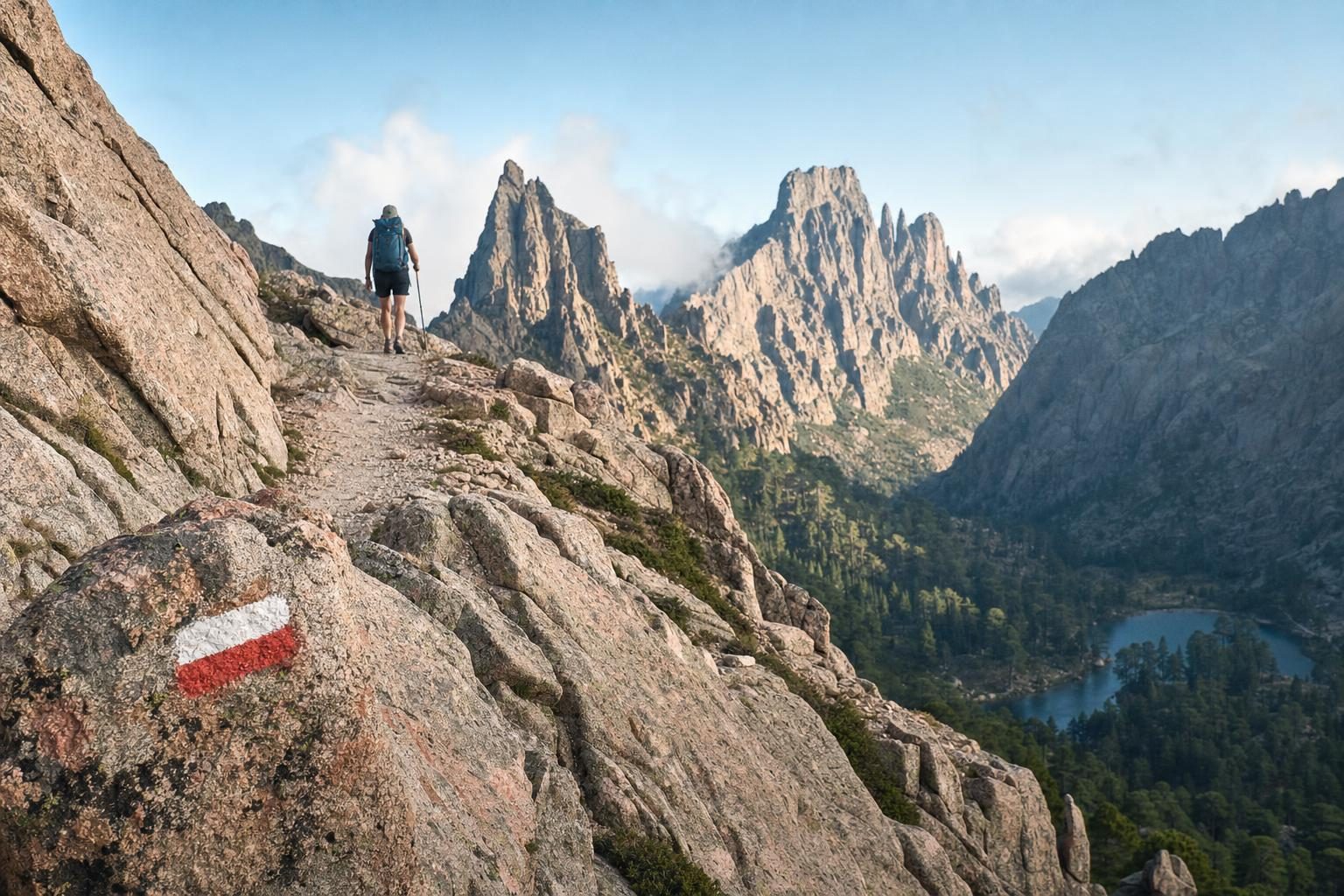
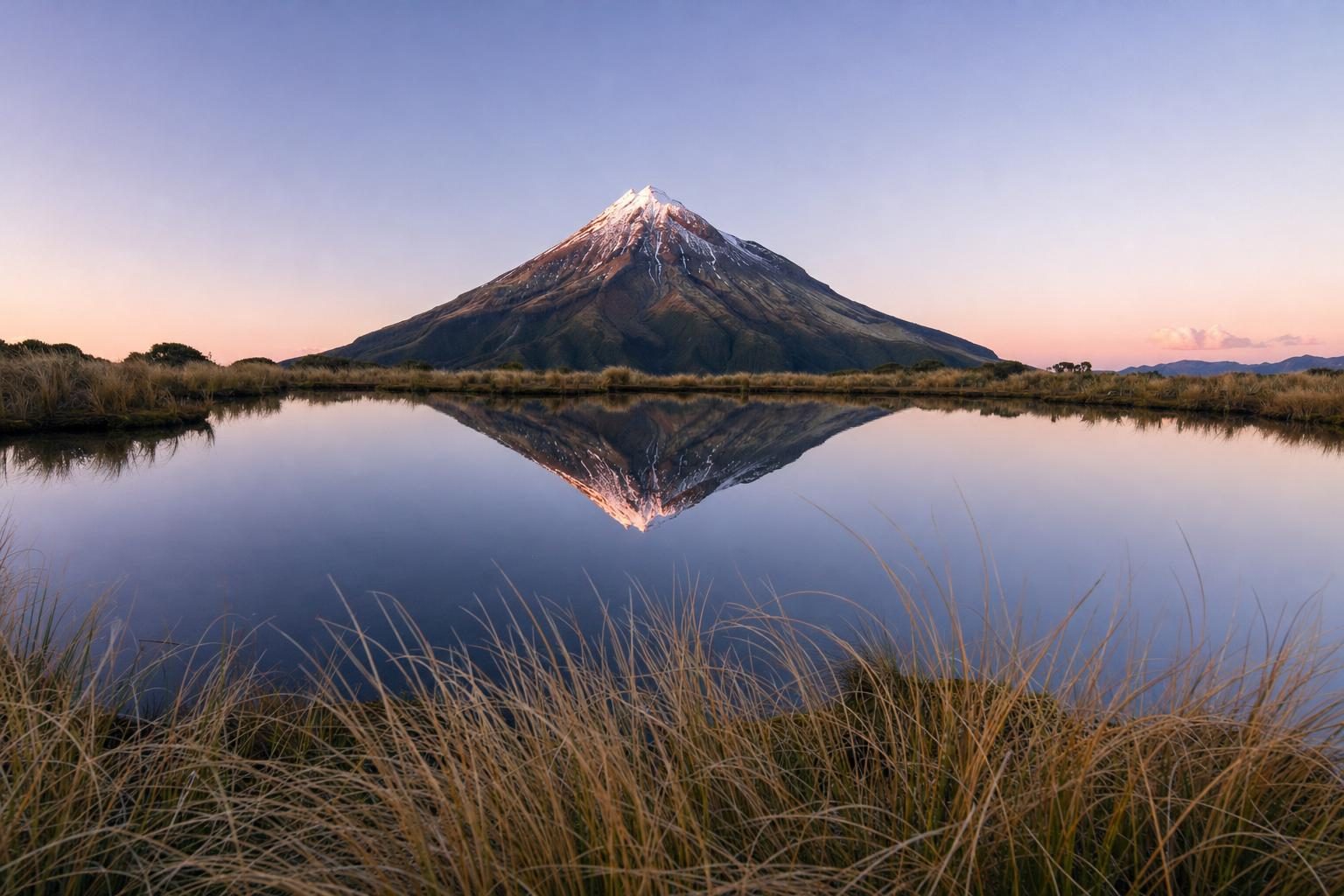
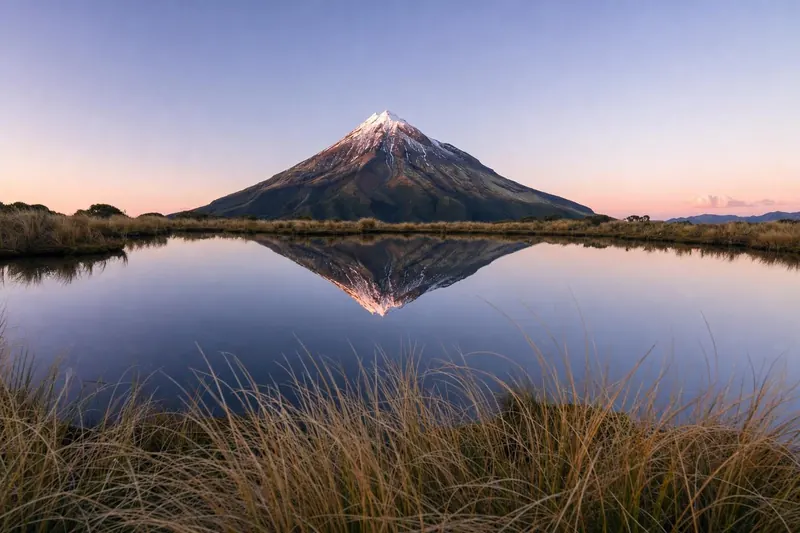
Training needs to reflect the course. Long climbs on steep paths, steady walking practice uphill and some downhill work prepare the legs better than flat speed sessions. Runners who have tackled other mountain challenges, such as the GR20 trail across Corsica or New Zealand’s Pouakai Crossing, will recognise the strain on calves and lungs, though here it all happens in one day.
After the race in the Jungfrau region
The region around the course rewards a few extra days. Trains from Interlaken run up both valleys, and the cogwheel railway continues from Kleine Scheidegg through a tunnel inside the Eiger to Jungfraujoch, at about 3,450 metres, the highest railway station in Europe. Walkers can follow trails between Grindelwald, Kleine Scheidegg and Wengen, and in September the summer crowds have thinned.
Accommodation is spread across the region. Interlaken has the widest choice and is closest to the start. Lauterbrunnen and Wengen put visitors in the middle of the course, and Grindelwald, on the far side of Kleine Scheidegg, is a good base for walking afterwards.
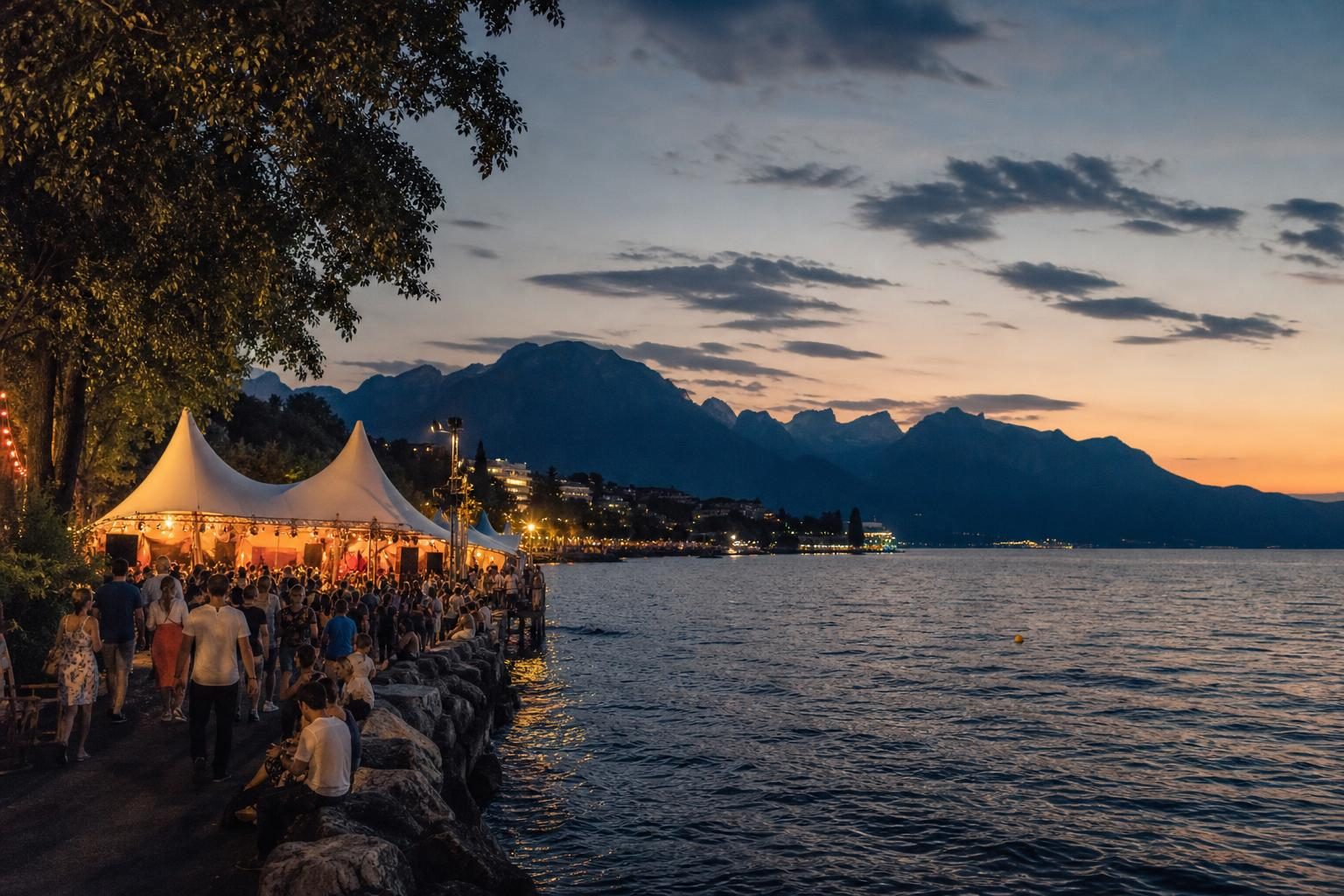
Interlaken itself sits between two lakes, Thun and Brienz, with steamers crossing both in summer and early autumn. Swiss trains make it easy to continue to other events in the country; in July, the Montreux Jazz Festival fills the shore of Lake Geneva a few hours away by rail. Other sporting events and festivals around the world are listed in the events section.
If you plan to run, book accommodation in Interlaken early, because the town fills on race weekend. The start-line meadow is a short walk from both Interlaken railway stations.
Questions before you go
When is the Jungfrau Marathon held?
The race takes place every September over a race weekend in Interlaken. The organisers list the 34th edition for 10 and 11 September 2027, and the following editions for early September 2028 and 2029.
Where does the Jungfrau Marathon start and finish?
The race starts in Interlaken and, since 2021, finishes at Eigergletscher station at 2,320 metres, below the north face of the Eiger. Before that change, runners finished at Kleine Scheidegg after a final downhill kilometre.
How much climbing is in the Jungfrau Marathon?
The full marathon distance of 42.195 kilometres includes about 1,953 metres of altitude difference. The first part is nearly flat, and most of the climbing comes after Lauterbrunnen, around the halfway point.
How do you register for the Jungfrau Marathon?
Registration opens online in February for the September race. For 2027, the organisers announced an opening on 14 February at 08:00 local time. The field is capped at around 4,000 runners and fills quickly.
What is the course record?
On the current course to Eigergletscher, Laura Hottenrott of Germany set a women's record of 3:17:35 in 2025. On the old course to Kleine Scheidegg, New Zealander Jonathan Wyatt ran 2:49:01 in 2003.
How do runners get back from the finish?
The return from the finish area to Interlaken by aerial cableway and train is included in the entry fee. Bags are carried up for runners, and the organisers transport tonnes of luggage on race day.
Do you need trail running experience for the Jungfrau Marathon?
The course follows roads, gravel tracks and mountain paths, with some steep and rough sections near the top. Runners do not need technical skills, but training on long climbs and descents makes a large difference to the experience.
Are there other races during the Jungfrau Marathon weekend?
Yes. The weekend includes shorter races for children and other runners in Interlaken, such as the Minirun and Minimarathon, and a race on the Harder, the mountain above the town.
Can spectators follow the race?
Spectators gather in Interlaken, Lauterbrunnen and Wengen, which are linked by train, and many ride the Wengernalp railway higher up. Tens of thousands of people watch along the route, often with cowbells and alphorns.